Shopping online has become part of everyday life, but it still comes with one big limitation: customers can’t physically see or experience a product before buying it. Photos, videos, and descriptions help, but they often leave important questions unanswered—especially when it comes to size, proportions, and how a product will actually look in a real space.
reality (AR) offers a practical solution to this problem. By using a phone or tablet camera, customers can place a digital version of a product directly into their own environment. This allows them to see the product at true scale, from different angles, and in the context of their home, office, or outdoor space.
Instead of guessing, customers can make decisions based on what they actually see.
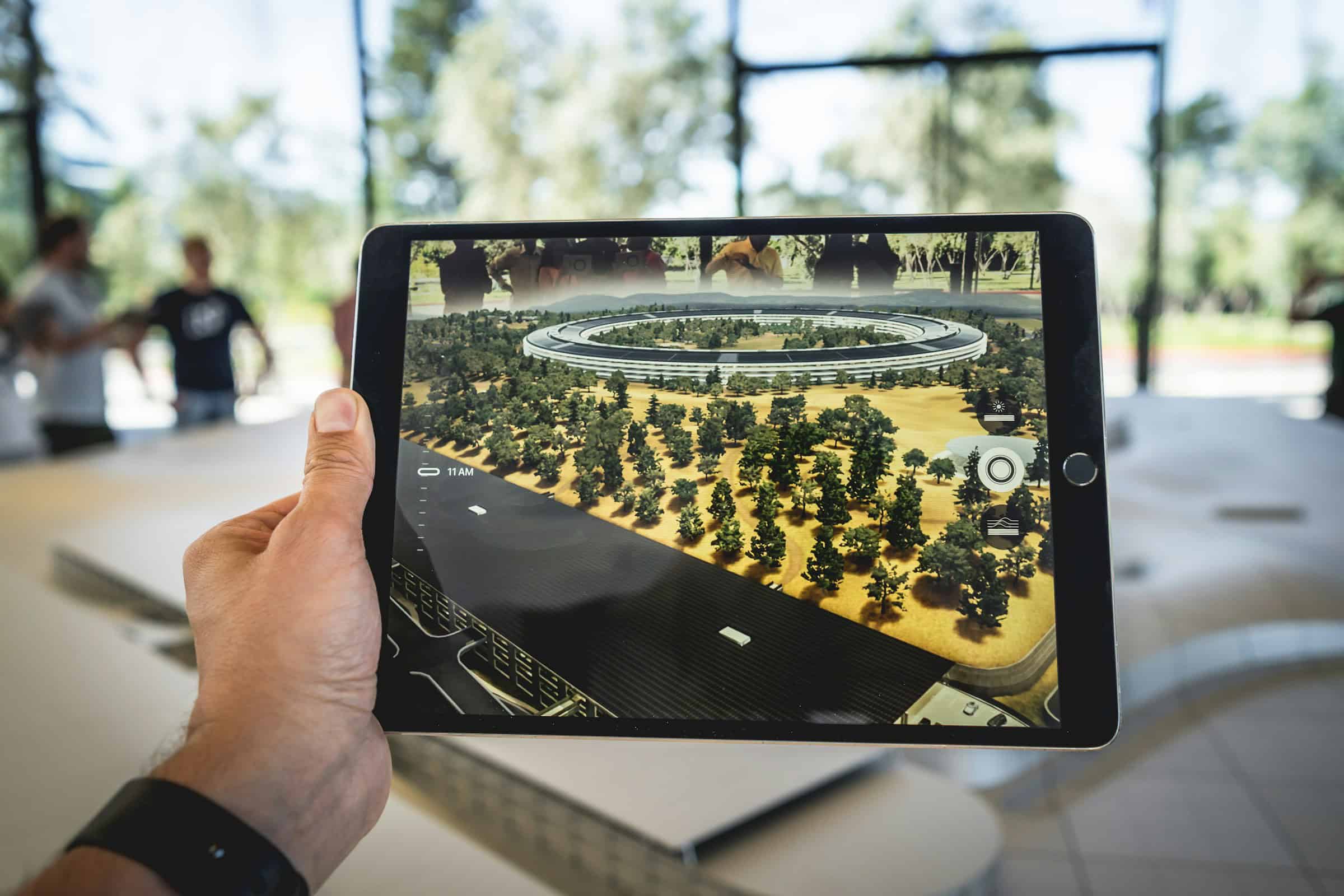
Helping Customers Feel More Confident
One of the biggest reasons people abandon online purchases is uncertainty. Will it fit? Will it look right in the room? Is it too big or too small? AR previews help answer these questions instantly.
When customers can view a product in their own space, they gain confidence in their choice. This confidence often leads to higher purchase completion rates, because the customer feels informed rather than unsure. It also helps manage expectations, which plays a key role in customer satisfaction after delivery.
No App Required, No Extra Steps
A major advantage of modern AR experiences is accessibility. Customers don’t need to download a separate app or create an account. Everything works directly in a mobile browser, making the experience quick and intuitive.
With just a link or QR code, customers can open an AR viewer, point their camera, and see the product appear in their environment. This low barrier makes AR usable for a wide range of customers, regardless of technical experience.
Fewer Returns, Better Outcomes
Product returns are costly for businesses and frustrating for customers. Many returns happen simply because the product didn’t match what the buyer imagined. AR helps close this gap by showing accurate scale and placement before purchase.
When customers know exactly what they’re getting, they’re more likely to keep it. Over time, this can reduce return rates and improve overall customer trust in a brand.
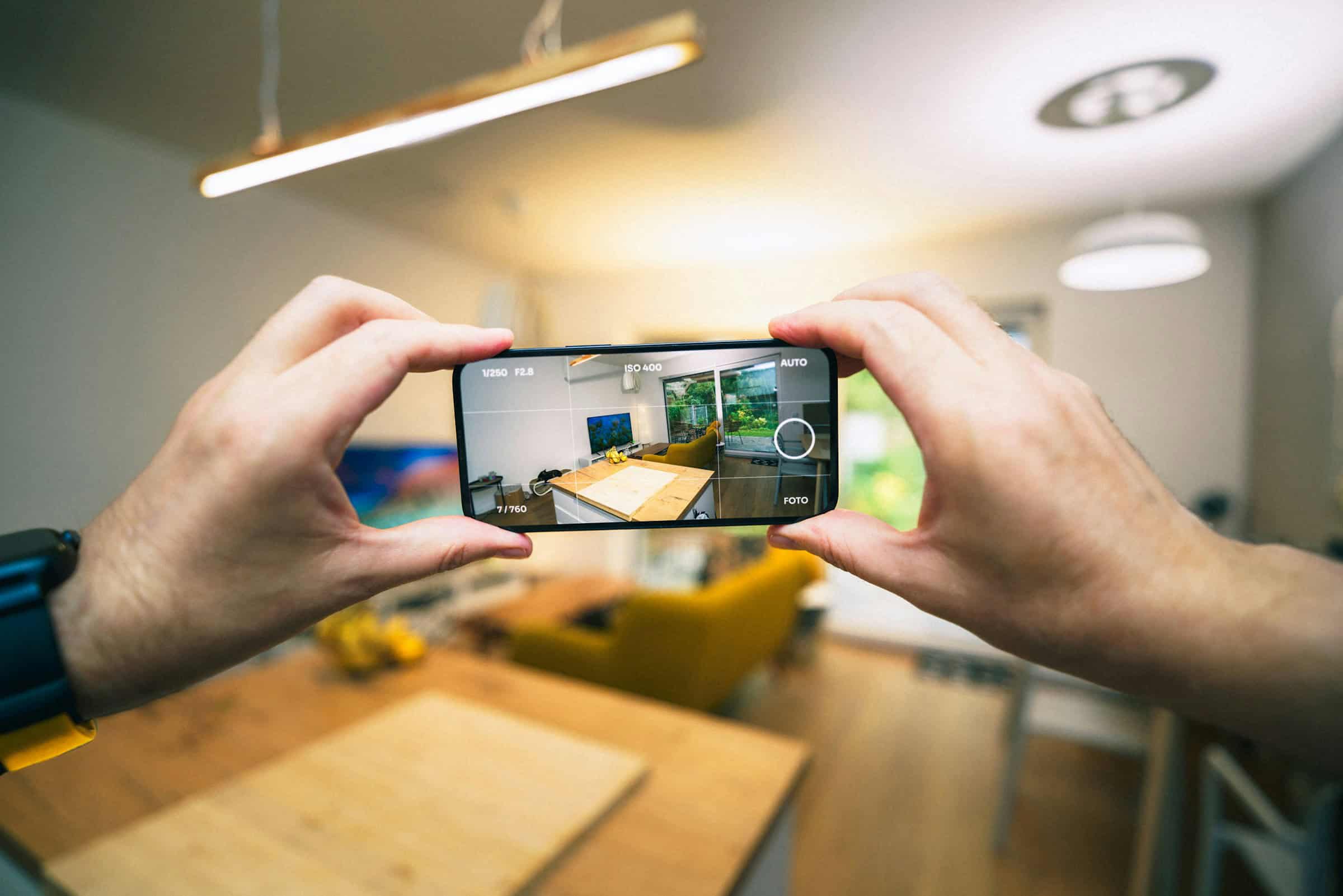
Bringing Augmented Reality to Your Own Products
Integrating AR doesn’t have to be complicated. Platforms like Vizbl make it possible to upload a 3D product model, generate a shareable link or QR code, and add it directly to a website or product page. Once added, customers can instantly view products in augmented reality on their mobile devices.
This approach works across industries, from furniture and home decor to retail, manufacturing, and B2B products. Anywhere visual clarity matters, AR can add real value.
You can see an example of how this experience works by trying the AR viewer here: https://vizbl.com/ar-viewer
A More Engaging Way to Present Products
Augmented reality doesn’t replace traditional product images—it enhances them. It gives customers a deeper understanding of what they’re buying and turns product pages into interactive experiences rather than static displays.
As online shopping continues to evolve, tools that help customers make clearer, more confident decisions will become increasingly important. Augmented reality is one of those tools, offering a simple yet powerful way to connect products with real-world spaces.