



The story of technology is the story of human progress. From primitive tools to artificial intelligence, every leap we’ve taken has been driven by a desire to solve problems, improve efficiency, and shape the world around us. The Wired Archive offers a rich tapestry of breakthroughs, failures, and societal transformations brought about by technological evolution.
TLDR: The Evolution of Technology at a Glance
The history of technology is marked by a continuous interaction between human necessity and innovation. From the stone tools of early humans to the digital revolution of the 21st century, technology has altered the way we live, communicate, and govern. Key periods such as the Agricultural Revolution, Industrial Age, and the Internet era have defined the pace and direction of progress. This article explores those turning points, showing how they connect in the broader arc of history.
The Dawn of Tools and Early Innovation
The earliest forms of technology emerged from necessity—survival, food gathering, and protection. Around 2.5 million years ago, early hominins crafted basic stone tools. These tools were not just aids; they marked a cognitive leap, suggesting foresight and planning. Developments during this era include:
- Stone Tools: Hammers, scrapers, and cutting instruments for hunting and skinning.
- Control of Fire: Estimated at around 1 million years ago, this allowed for cooking, protection, and social gatherings.
- Primitive Shelters: Designated spaces for living signaled the beginnings of architectural thought.
These milestones were fundamental for human development. Fire transformed our diet and led to physiological changes, while tools enhanced social cooperation and survival capacity.


The Agricultural Revolution: A Turning Point
Approximately 10,000 years ago, the Agricultural Revolution redefined human settlement. Instead of wandering for food, people began to cultivate plants and domesticate animals. This laid the foundation for civilization as we understand it today.
Advancements that emerged during this period include:
- Irrigation Systems: Harnessing water for crops, increasing yield and stability.
- Plows and Tools: Wooden and later iron tools allowed more land to be cultivated with less labor.
- Granaries and Storage: Preserving surplus led to food security and trade.
- City-States, Writing Systems: Agricultural surplus facilitated population growth and administrative needs, giving rise to writing and early governance.
This technological pivot led to hierarchical societies, the development of trade, and the beginning of recorded history.
The Classical and Medieval Contributions
From the rise of Greek geometry to the Roman aqueduct system, classical civilizations made significant strides in technological development. Engineering, warfare, architecture, and astronomy flourished, demonstrating the interplay between scientific theory and practical application.
Key technologies from this period include:
- Roman Concrete: Allowed for long-lasting infrastructure, including roads and domes.
- Water Mills: Introduced widespread mechanized labor in agriculture and manufacturing.
- Astrolabe and Armillary Spheres: Tools that advanced navigation and astrology.
In the medieval period, innovations were often borne within monasteries and Islamic caliphates, where scholars translated ancient texts and developed algebra, optics, and medical instruments. The stirrup, which revolutionized horseback warfare, and the mechanical clock, which aligned timekeeping with daily life, also emerged in this era.
The Industrial Revolution: Acceleration of Progress
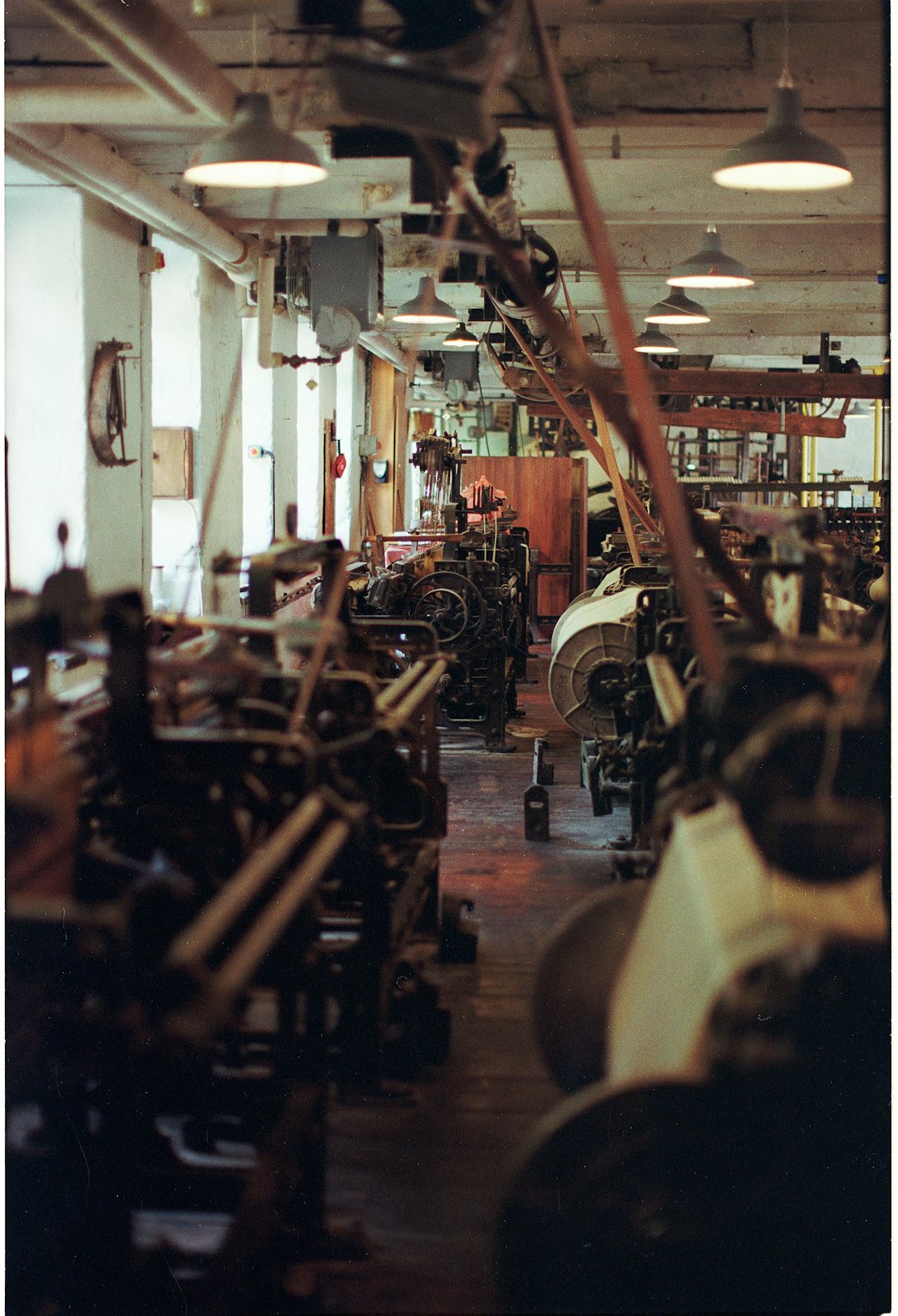
The 18th century marked an inflection point—the beginning of the Industrial Revolution. It vastly increased productivity through mechanical invention and factory systems, fundamentally altering economies and societies.

Notable inventions during this time include:
- Steam Engine (James Watt): Powered transportation and industry, reducing reliance on manual labor and animal power.
- Power Loom and Spinning Jenny: Automated textile manufacturing, leading to the rise of factory towns.
- Electric Telegraph: Enabled near-instantaneous communication over vast distances.
- Railroads and Iron Ships: Connected distant parts of the world, enhancing trade and migration.
Yet, this transformation was double-edged. Urbanization brought both opportunity and overcrowding. Pollution, labor exploitation, and inequality revealed the social costs of rapid technological change.
The Digital Revolution and the Information Age
The mid-20th century heralded the rise of electronics, computing, and digital communications. A new kind of innovation emerged—one based not on steel or steam, but on information and algorithms.
Major milestones of this era include:
- Transistor (1947): Replaced vacuum tubes, enabling miniaturization of electronic devices.
- Integrated Circuits: Multiple computing functions in compact chips, the backbone of modern electronics.
- World Wide Web: Invented by Tim Berners-Lee in 1989, it revolutionized how people access and share knowledge.
- Personal Computers and Smartphones: Brought information technology into homes and pockets.
Not merely a change in gadgets, this revolution reshaped how we work, learn, and socialize. It decentralized information, blurred geographic boundaries, and launched a global economy rooted in data.
Artificial Intelligence and the Future of Technology
The current frontier in the timeline of technological history is Artificial Intelligence (AI). Whereas traditional programming required explicit commands, AI evolves by recognizing patterns within data, mimicking the human ability to learn.
Trends and tools shaping this movement include:
- Machine Learning and Deep Neural Networks: Foundation for speech recognition, self-driving cars, and recommendation systems.
- Natural Language Processing (NLP): Enables machines to understand, generate, and translate human languages reliably.
- AI Ethics and Regulation: Active policy discussion about responsibility, transparency, and job displacement.
As we navigate the AI era, society faces decisions not just about capabilities, but about values. How we choose to embed AI in healthcare, warfare, education, and governance will determine its role in tomorrow’s Wired Archive.


What History Teaches Us About Tomorrow
Looking back through this vast time span, one thing is clear: technology does not evolve in isolation. It is always influenced by cultural needs, politics, natural resources, and moral considerations. Some principles to take forward include:
- Responsibility: Technologies should serve humanity, not exploit it.
- Equity: Global access must be considered to prevent high-tech inequalities.
- Adaptability: As with the steam engine or the internet, society must be ready to pivot with innovation.
The Wired Archive holds more than a list of inventions—it contains the ongoing story of human imagination, ambition, and resilience. Recognizing the patterns of the past can empower us to better navigate the fast-changing future.