Design used to be hard. You needed heavy software. You needed a powerful computer. And you needed patience. Today, things are different. Modern visual design tools are faster, smarter, and built for teamwork. Whether you are planning an app, building a website, or sketching a dashboard, the right tool can make your life much easier.
TLDR: There are many design tools out there, but five stand out for prototyping, collaboration, and responsive layouts: Figma, Adobe XD, Sketch, Webflow, and Canva. Each tool shines in different areas. Figma is a collaboration superstar. Adobe XD is great for smooth prototyping. Sketch is a classic favorite. Webflow blends design and development. Canva is simple and fast for visual content. Choose based on your workflow and team needs.
Let’s dive in. Simple. Practical. And maybe even a little fun.
1. Figma
If design tools were pop stars, Figma would be headlining the show.
Figma runs in your browser. No heavy installs. No constant updates. Just open and start designing. It works on Mac. It works on Windows. It even works on a tablet.
The biggest superpower? Real-time collaboration.
Your entire team can design together. You see cursors moving live. You can comment directly on elements. It feels like Google Docs. But for design.
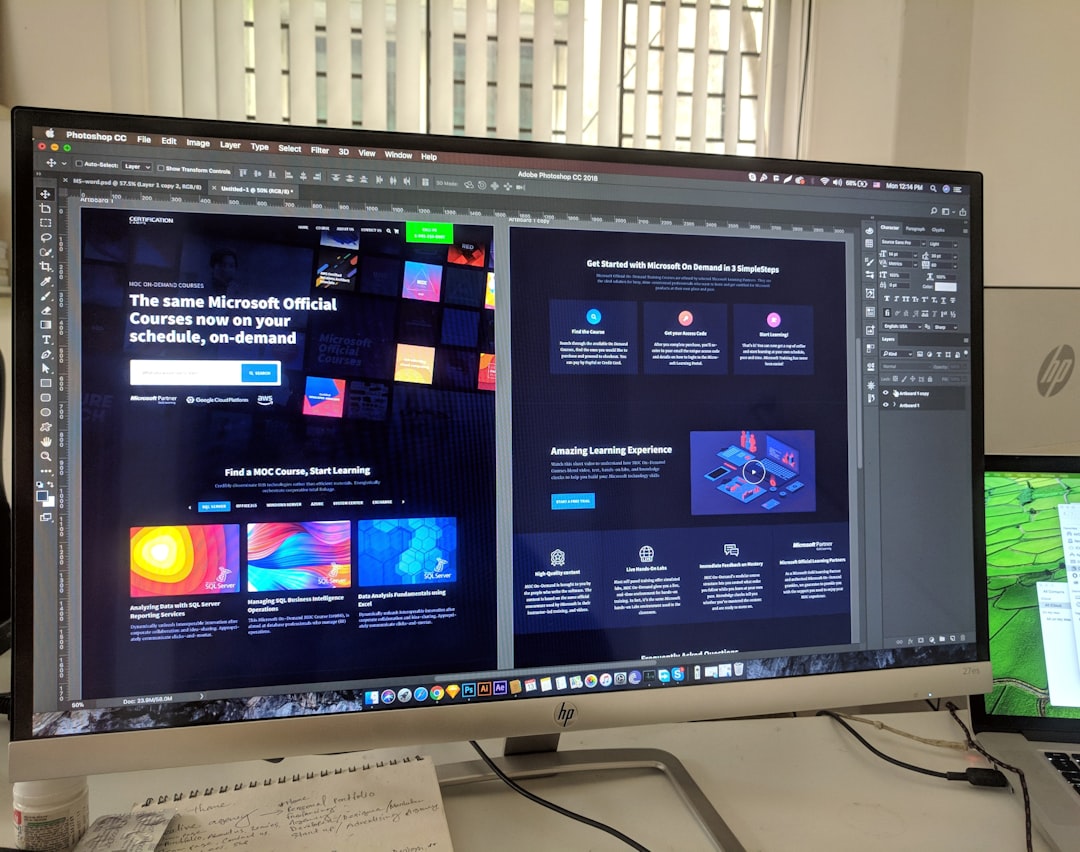
Why designers love Figma:
- Cloud-based and accessible anywhere.
- Real-time collaboration.
- Auto layout for responsive design.
- Powerful prototyping tools.
- Huge plugin library.
Figma’s Auto Layout feature is a big deal. It helps you design responsive interfaces that adjust automatically. Change the text. Add a button. Resize a frame. The layout adapts.
This makes building scalable systems much easier.
Best for: Teams. Remote companies. Fast-moving product design.
2. Adobe XD
Adobe XD comes from the creative giant Adobe. So yes, it plays nicely with Photoshop and Illustrator.
It is clean. Minimal. Focused on UI and UX design.
One area where XD shines is prototyping with micro-interactions. Want a button that slides? A card that flips? A smooth page transition? XD makes it simple.
You can create interactive flows without writing a single line of code.
Key strengths:
- Easy-to-use interface.
- Voice prototyping support.
- Repeat Grid feature for fast layouts.
- Strong integration with Adobe Creative Cloud.
The Repeat Grid feature saves time. Designing a list of items? Create one card. Drag it. XD duplicates it instantly. Update one card, and the rest update too.
It supports responsive resizing as well. Elements adjust when you change screen size. That helps when designing for mobile, tablet, and desktop.
Best for: Designers already using Adobe tools. Clean UI workflows. Interactive prototypes.
3. Sketch
Sketch is a veteran in the UI world.
It helped shape modern app design. For years, it was the go-to tool for digital products.
Sketch runs on Mac only. That is important. But within the Apple ecosystem, it is powerful.
What makes Sketch special?
- Lightweight interface.
- Strong symbol system.
- Extensive plugin ecosystem.
- Great vector editing tools.
Symbols in Sketch allow you to reuse components. Create a button once. Use it everywhere. Update it once. It updates everywhere.
That is perfect for design systems.
Sketch also offers collaboration tools through cloud sharing. Teams can inspect designs, leave comments, and hand off assets to developers.
It may not be as cloud-native as Figma. But it is stable. And many designers trust it.
Best for: Mac users. Designers who love control and customization.
4. Webflow
Webflow is different. It is not just a design tool. It is also a development platform.
You design visually. And Webflow generates clean HTML, CSS, and JavaScript behind the scenes.
This makes it powerful for building responsive websites.
Image not found in postmetaWhy Webflow stands out:
- Real responsive design controls.
- Visual CSS styling.
- Built-in CMS.
- Hosting included.
In Webflow, you work with real web structures. Containers. Divs. Flexbox. Grid. It feels like design meets front-end development.
You can switch between desktop, tablet, and mobile views. Customize each breakpoint. Fine-tune spacing and alignment.
It is more technical than Figma or Sketch. But it gives you precision.
Best for: Designers who want production-ready websites without coding everything manually.
5. Canva
Now let’s talk simplicity.
Canva is friendly. Easy. And fast.
It is not a heavy UX prototyping tool. But for visual layouts and quick mockups, it works beautifully.
You can create social media posts, presentations, banners, simple wireframes, and even lightweight website designs.
Why people love Canva:
- Drag-and-drop interface.
- Huge template library.
- Team collaboration features.
- No design experience required.
Canva also supports basic responsive layouts with its website builder. It is beginner-friendly.
And sometimes, simple is exactly what you need.
Best for: Beginners. Marketers. Quick visual content creation.
Quick Comparison Chart
| Tool | Best For | Collaboration | Prototyping | Responsive Design | Platform |
|---|---|---|---|---|---|
| Figma | Team-based product design | Excellent (real-time) | Advanced | Strong (Auto Layout) | Web-based |
| Adobe XD | Interactive prototypes | Good | Advanced micro-interactions | Responsive resize | Mac & Windows |
| Sketch | Mac UI design | Moderate (cloud) | Strong | Symbols and constraints | Mac only |
| Webflow | Production-ready websites | Good | Basic interactions | Excellent (true breakpoints) | Web-based |
| Canva | Quick visuals and beginners | Good | Basic | Limited | Web-based |
How To Choose The Right Tool
Feeling overwhelmed? Don’t worry. Ask yourself a few simple questions.
1. Are you working alone or with a team?
If you are in a team, Figma makes collaboration easy.
2. Do you need advanced animations?
Adobe XD gives you smooth micro-interactions.
3. Are you on a Mac and love plugins?
Sketch might feel perfect.
4. Do you want to build a real website visually?
Webflow is your friend.
5. Are you new to design?
Canva removes the fear factor.

There is no single “best” tool. There is only the best tool for your project.
Why Prototyping And Responsive Layouts Matter
Modern users expect smooth experiences.
They switch between phones and laptops. Between portrait and landscape. Between dark and light modes.
Your designs must adapt.
Prototyping helps you test ideas before development. You can catch problems early. You can show stakeholders a working concept. You can gather feedback fast.
Responsive layout tools help your design behave correctly on different screen sizes. That saves developers time. And saves you frustration.
Good tools make this simple.
Final Thoughts
Visual design has evolved. It is no longer just about pretty screens. It is about systems. Collaboration. Responsiveness. And speed.
Figma dominates team workflows. Adobe XD brings smooth interactivity. Sketch stays strong with loyal fans. Webflow bridges design and development. Canva empowers everyone.
The best part? Most of these tools offer free plans.
So experiment. Play around. Build small projects. Test ideas.
Design should be fun. Not stressful.
And with the right tool in your hands, it really is.