


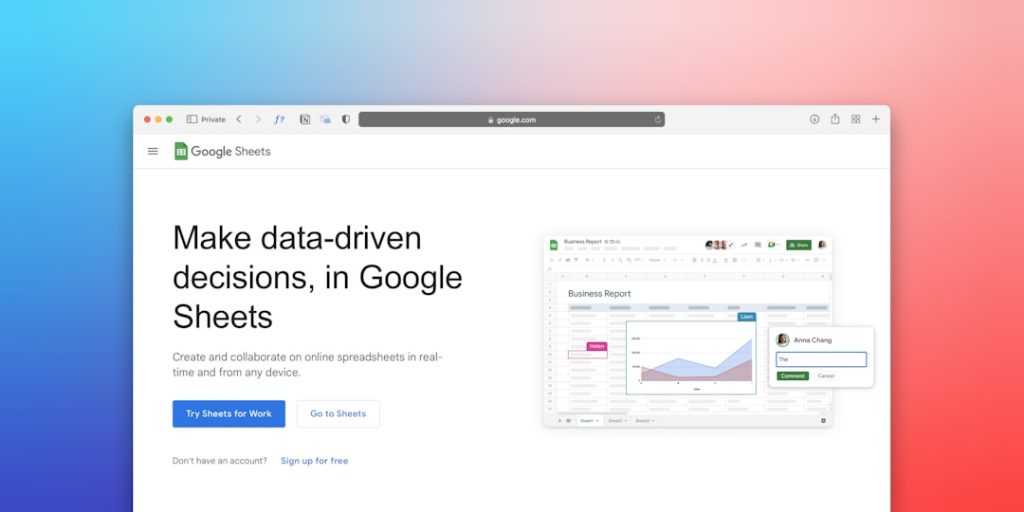
Creating a histogram in Google Sheets is an effective way to visualize numerical data and understand how values are distributed across ranges. Whether analyzing test scores, sales figures, survey responses, or website performance metrics, a histogram helps reveal patterns such as frequency, spread, and skewness. Google Sheets makes this process simple with built-in chart tools that require no advanced technical skills.
TLDR: A histogram in Google Sheets visually displays how data is distributed across intervals. Users can create one by selecting their dataset, inserting a chart, and choosing the Histogram chart type. Customization options allow adjustment of bucket size, labels, and chart style for clearer insights. With proper formatting and interpretation, histograms become powerful tools for data analysis.
A histogram differs from a standard bar chart because it groups continuous numerical data into intervals, known as buckets or bins. Instead of displaying individual categories, a histogram shows how many data points fall within each range. Understanding how to create and refine this type of visualization can significantly improve data-driven decision-making.
Understanding When to Use a Histogram
Before creating a histogram, it is important to understand when it is appropriate. Histograms work best with:
- Continuous numerical data (e.g., ages, prices, scores)
- Large datasets with measurable variables
- Situations where frequency distribution matters
Unlike pie charts or bar charts, histograms are not suitable for categorical data such as names or product types. They display distribution patterns such as normal distribution, skewness, clusters, or outliers.
For example, a teacher analyzing student test scores may use a histogram to determine how many students scored between 70–80%, 80–90%, and so on. This provides a clearer understanding than listing raw scores alone.
Preparing Data in Google Sheets
The first step in learning how to make a histogram in Google Sheets is properly preparing the dataset. Data should be:
- Placed in a single column (or a single row)
- Formatted as numerical values
- Free from blank rows or inconsistent entries
For clarity, adding a header such as Test Scores or Monthly Sales at the top of the column is recommended. Google Sheets will automatically recognize headers when generating charts.

If the data contains text values, errors, or mixed formats, cleaning the dataset beforehand ensures accurate visualization. Users can utilize built-in features like sorting and filtering to verify consistency.
Step-by-Step: How to Make a Histogram in Google Sheets
Once the data is ready, users can follow these steps:
1. Select the Data Range
Click and drag the cursor to highlight the numerical data, including the header if present.
2. Insert a Chart
Navigate to the top menu and click Insert, then select Chart. Google Sheets will automatically generate a default chart, typically a column chart.
3. Change the Chart Type to Histogram
In the Chart Editor panel on the right side of the screen:
- Click the Setup tab
- Open the Chart type dropdown menu
- Scroll down and select Histogram chart


Once selected, the chart transforms into a histogram displaying grouped data ranges automatically determined by Google Sheets.
Customizing the Histogram
Customization enhances clarity and ensures the histogram communicates insights effectively. Google Sheets offers various configuration options under the Customize tab in the Chart Editor.
Adjusting Bucket Size
Bucket size determines how data is grouped. To modify it:
- Click Customize
- Select Histogram
- Adjust the Bucket size value
Smaller buckets provide more detailed granularity, while larger buckets simplify the distribution. Choosing the appropriate size depends on the dataset and the level of detail required.
Changing Chart Titles and Labels
Clear labeling improves readability. Users can:
- Add or edit the chart title
- Rename horizontal and vertical axes
- Adjust font size and style
For example, labeling the horizontal axis as Score Range and the vertical axis as Number of Students provides immediate context.
Modifying Colors and Appearance
Under the customization options, users can change:
- Bar colors
- Font styles
- Gridlines
- Background colors
Although formatting does not alter data, thoughtful design improves comprehension and presentation quality.
Interpreting the Histogram
Creating the histogram is only part of the process. Interpreting it correctly ensures meaningful insights.
A histogram may reveal:
- Normal distribution – Data forms a bell-shaped curve.
- Right skew – Higher frequency of lower values.
- Left skew – Higher frequency of higher values.
- Bimodal distribution – Two peaks indicating separate groups.
- Outliers – Isolated extreme values.
For instance, a right-skewed sales histogram may suggest most products generate lower revenue with fewer high-performing items. This insight can inform marketing and sales strategies.
Common Mistakes to Avoid
While Google Sheets simplifies histogram creation, certain mistakes can distort interpretation:
- Using categorical data instead of numerical data
- Selecting an inappropriate bucket size
- Ignoring outliers that skew interpretation
- Not labeling axes clearly
Ensuring that data is relevant and that bucket intervals align with analytical goals prevents misleading conclusions.
Advanced Tips for Better Analysis
Users who want deeper analytical value can apply additional strategies:
Compare Multiple Datasets
Although Google Sheets does not directly overlay histograms easily, users can create separate histograms for different datasets and compare them side by side.
Combine with Statistical Functions
Integrating formulas such as:
=AVERAGE(range)=MEDIAN(range)=STDEV(range)
provides contextual statistical insights to support visual interpretation.
Use Dynamic Data Ranges
By referencing open-ended ranges (e.g., A2:A), the histogram can automatically update as new data is added.
Practical Applications of Histograms in Google Sheets
Histograms are versatile and valuable across industries:
- Education: Analyzing exam score distributions.
- Finance: Monitoring expense ranges or investment returns.
- Marketing: Studying customer purchase frequency.
- Human Resources: Viewing salary distribution.
- Operations: Tracking production time variations.
Because Google Sheets is cloud-based, teams can collaborate in real time, making histograms particularly useful for shared reporting dashboards.
Why Google Sheets Is Ideal for Histograms
Google Sheets offers several advantages:
- Free access with a Google account
- Automatic chart suggestions
- Simple customization tools
- Cloud storage and sharing
- No need for external add-ons
Its intuitive interface allows beginners to create histograms quickly while offering enough customization for more advanced users.
Frequently Asked Questions (FAQ)
- What is the difference between a histogram and a bar chart?
A histogram displays continuous numerical data grouped into intervals, while a bar chart compares categorical data. - Can bucket sizes be customized in Google Sheets?
Yes. Under the Customize tab in the Chart Editor, users can manually set the bucket size to control how data is grouped. - Why does Google Sheets not show the Histogram option?
The Histogram chart type only appears when numerical data is selected. If text or mixed data is included, the option may not be available. - Can multiple data columns be used in a single histogram?
Google Sheets typically supports one data series per histogram. For comparison, separate histograms are recommended. - How can outliers be handled in a histogram?
Users can filter extreme values before creating the chart or adjust bucket size to reduce distortion. However, removing outliers should be justified analytically. - Does the histogram update automatically when new data is added?
If the original data range includes extra rows or uses an open-ended reference, the chart updates automatically when new data is inserted.
By understanding how to make a histogram in Google Sheets and how to tailor its settings, users can transform raw numbers into meaningful visual insights. With thoughtful preparation, customization, and interpretation, histograms become powerful tools for identifying trends, patterns, and opportunities within any dataset.