Southwest Airlines has long stood out from other major U.S. carriers because of its unique boarding process. Instead of assigning passengers traditional seat numbers, Southwest uses an open seating system supported by structured boarding groups. If you have ever wondered how many boarding groups Southwest has and how the system actually works, this guide explains everything in detail so you can travel with confidence.
TLDR: Southwest Airlines uses three main boarding groups: A, B, and C, each divided into numbered positions from 1 to 60. Passengers board in order of group and number, with special preboarding and family boarding occurring at specific times. Your boarding position depends on when you check in, your fare type, or whether you purchase priority options. Understanding these groups can significantly improve your seat selection and overall travel experience.
Understanding Southwest’s Boarding Philosophy
Unlike most airlines that assign seats at booking, Southwest operates on an open seating policy. This means:
- There are no pre-assigned seats.
- Passengers select any available seat once onboard.
- Boarding order directly affects seat choice.
This system is designed to speed up boarding and minimize turnaround time at the gate. However, it also means that your boarding position is crucial if you prefer a window seat, aisle seat, or want to sit with companions.
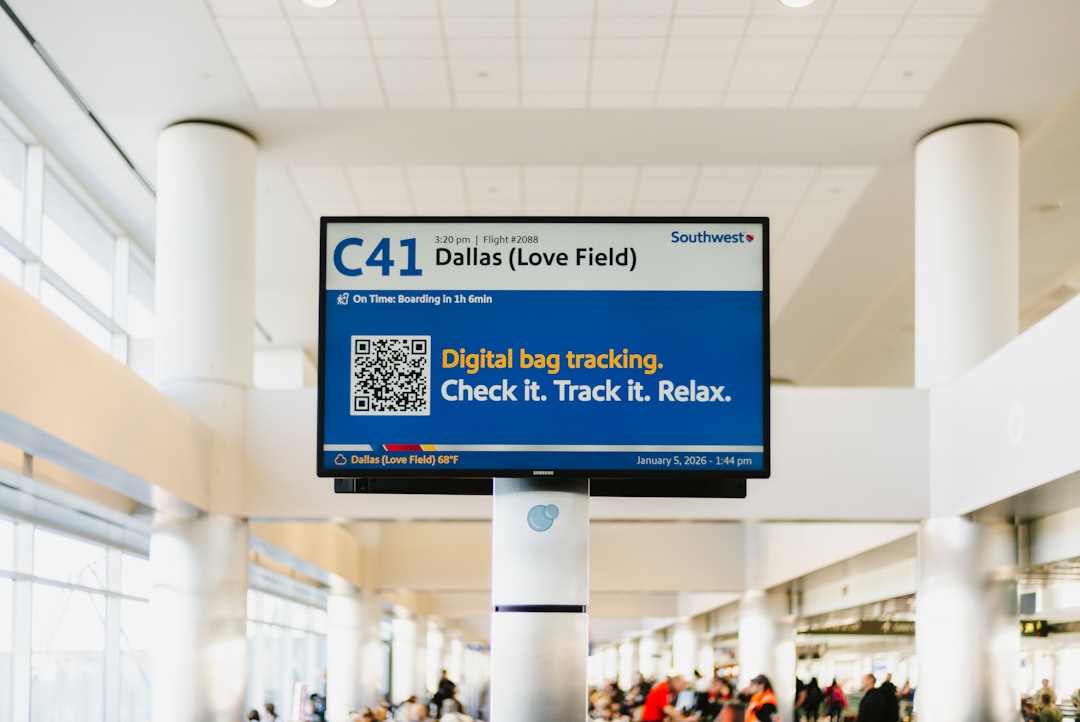
How Many Boarding Groups Does Southwest Have?
Southwest has three primary boarding groups:
- Group A
- Group B
- Group C
Each group is further divided into numbered boarding positions from 1 to 60. For example, you might receive a boarding pass that says:
- A12
- B45
- C3
This means you will line up in your assigned group and board in numerical order.
In addition to these three groups, there are also special categories that board at designated times, which we will explain below.
Special Boarding Categories
Before Group A begins boarding, Southwest allows certain passengers to board early. These categories are important because they influence how many seats are already taken when your group begins to board.
1. Preboarding
Passengers who need extra time or assistance are invited to preboard. This typically includes:
- Travelers with disabilities
- Passengers requiring specific seating accommodations
- Customers using wheelchairs
Preboarding occurs before Group A. One travel companion may board with the preboarding passenger.
2. Family Boarding
After the A group has boarded (usually after A1–A60), Southwest invites:
- Up to two adults traveling with a child age 6 or younger
This happens after Group A and before Group B.
3. Active Duty Military
Active duty military members with a valid ID are allowed to board between the A and B groups if they were not assigned an A position.
How Boarding Positions Are Assigned
Your boarding position depends on several factors. Southwest does not randomly assign groups without logic. Instead, boarding order is influenced by purchase choices and timing.
1. Check-In Time
For standard fares, boarding position is largely determined by how early you check in. Check-in opens exactly 24 hours before departure. The earlier you check in, the better your boarding position.
2. Fare Type
Southwest offers different fare categories that affect boarding priority:
- Business Select – Guaranteed A1–A15 position
- Anytime – Early boarding position (often A group)
- Wanna Get Away Plus – Assigned after higher fares
- Wanna Get Away – Standard boarding assignment
3. EarlyBird Check-In
Passengers can purchase EarlyBird Check-In, which automatically checks them in 36 hours before departure. This improves the chances of receiving an A or early B boarding position.
What Do the Boarding Groups Actually Mean?
Here is what each group typically implies in practice:
Group A
- Best chance of selecting any available seat
- Overhead bin space widely available
- Likely ability to sit with travel companions
Passengers in A1–A15 are typically Business Select customers and board first within Group A.
Group B
- Most window and aisle seats may still be available
- Front rows might be full
- Overhead space begins filling up
Group B is generally considered acceptable for most travelers, especially those not particular about seat location.
Group C
- Limited seat selection remaining
- Higher likelihood of middle seats only
- Overhead bins possibly full in earlier rows
Group C is the last standard boarding group and often receives whatever seats remain.
What Happens at the Gate?
Southwest boarding is structured and visible. At the gate, you will see numbered posts from 1 to 60 for each group.
Passengers line up in numerical order within their group. Gate agents then call:
- Preboarding passengers
- Group A (1–60)
- Military (if applicable)
- Family Boarding
- Group B (1–60)
- Group C (1–60)
This organized system reduces congestion and confusion compared to traditional boarding where large clusters often form near the gate.
Image not found in postmetaWhy Southwest Uses This System
Southwest’s boarding process supports its broader operational strategy:
- Faster aircraft turnaround
- Simplified ticketing structure
- Lower operational complexity
By eliminating assigned seating, Southwest reduces technological and logistical overhead while encouraging passengers to board efficiently.
Common Questions About Southwest Boarding Groups
Is Group C Always Bad?
Not necessarily. On lighter flights, even C passengers may find good seat options. However, on full flights, C group passengers should expect limited choices.
Can You Upgrade Your Boarding Position?
Yes. At the gate, Southwest may offer upgraded boarding (typically to A1–A15) for an additional fee, depending on availability.
Are Flights Always Full?
Many Southwest flights operate near capacity, especially on popular routes. This makes boarding position more relevant on peak travel days.
Do Connecting Passengers Get Better Boarding?
No. Each flight segment has its own boarding position assignment.
Tips for Getting a Better Boarding Group
If securing a good seat is important to you, consider these proven strategies:
- Check in exactly 24 hours before departure.
- Purchase EarlyBird Check-In for automatic early placement.
- Choose Business Select if priority boarding is critical.
- Travel during off-peak times when flights are less full.
- Arrive at the gate early to line up promptly in your group.
Final Thoughts
Southwest Airlines has three main boarding groups: A, B, and C, each divided into numbered positions from 1 to 60. In addition, preboarding and family boarding categories operate at structured points in the process. While the system may seem unconventional compared to assigned seating, it is intentionally designed for efficiency and speed.
Understanding how these boarding groups work empowers you to make informed purchasing decisions and manage expectations for seat selection. Whether you aim for a premium A1–A15 position or simply want to avoid a middle seat in Group C, knowing the structure of Southwest’s boarding process allows you to travel with greater certainty and control.
In short, boarding position matters on Southwest—but with proper planning, you can significantly improve your odds of securing the seat you prefer.