


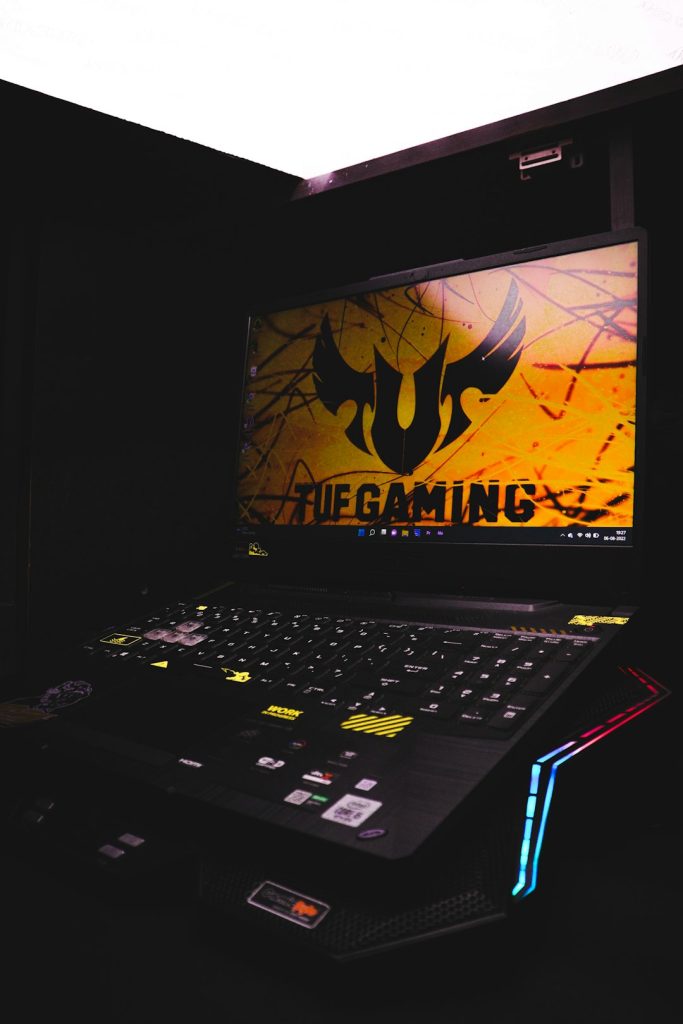
The Intel Core i7-11700F is one of those processors that sits comfortably in the middle of the performance spectrum—powerful enough for demanding workloads, yet affordable compared to top-tier enthusiast chips. Released as part of Intel’s 11th Gen “Rocket Lake” lineup, the i7-11700F delivers strong single-core performance, solid multi-core capabilities, and reliable gaming results. But how fast is it really in real-world use? Let’s take a detailed look at where this CPU shines and where it faces limitations.
TL;DR: The Intel i7-11700F is an 8-core, 16-thread processor that offers excellent gaming performance and strong productivity capabilities for its class. With boost speeds up to 4.9 GHz, it handles modern AAA games, streaming, and multitasking with ease. While it lacks integrated graphics and PCIe 5.0 support, it remains a powerful and cost-effective choice for mid- to high-end desktop builds. For most users, it delivers speed that feels snappy, responsive, and future-proof for several years.
Core Specifications at a Glance
To understand how fast the i7-11700F is, we first need to look at its core specifications. These raw numbers help frame its capabilities.
- Cores / Threads: 8 cores, 16 threads
- Base Clock: 2.5 GHz
- Max Turbo Boost: Up to 4.9 GHz
- Cache: 16MB Intel Smart Cache
- TDP: 65W (base)
- Architecture: Rocket Lake (14nm)
- Integrated Graphics: None (requires dedicated GPU)
Although built on Intel’s 14nm process, the Rocket Lake architecture introduced IPC (instructions per clock) improvements over the previous generation. This translates into faster per-core performance, which is particularly important for gaming and lightly threaded applications.
Single-Core Performance: Where It Truly Shines
One of the biggest strengths of the i7-11700F is its single-core speed. Reaching boost frequencies of up to 4.9 GHz, it performs extremely well in applications that prioritize fewer threads.
In practical terms, this means:
- Faster application launches
- Snappier operating system responsiveness
- Strong performance in competitive games
- Smooth performance in design tools like Photoshop
Benchmarks consistently show the i7-11700F competing closely with newer mid-range CPUs in single-thread tests. For gaming specifically, high single-core frequency often matters more than sheer core count, making this processor highly capable even several years after release.
Image not found in postmetaMulti-Core Performance: 8 Cores That Work Hard
With 8 cores and 16 threads, courtesy of Intel’s Hyper-Threading technology, the i7-11700F handles multitasking smoothly. Whether you’re gaming while streaming, rendering 3D scenes, or compiling code, the CPU distributes workloads efficiently across its cores.
In multi-threaded benchmarks like Cinebench R23, the 11700F delivers strong results for its class. It performs particularly well in:
- Video editing in Adobe Premiere Pro
- 3D rendering in Blender
- Streaming gameplay via OBS
- Large Excel computations and data analysis
While it doesn’t match modern 12- or 16-core processors in raw multi-core throughput, it remains more than sufficient for most prosumers and content creators working on moderately complex projects.
Gaming Performance: Is It Still Fast Enough?
Gaming is where the i7-11700F truly proves its worth. Paired with a capable graphics card such as an RTX 3060, 3070, or even higher-end GPUs, this CPU delivers impressive frame rates at 1080p and 1440p resolutions.
In CPU-bound scenarios, such as esports titles, you can expect:
- 200+ FPS in games like CS:GO and Valorant
- Smooth performance in Fortnite and Apex Legends
- High frame stability in open-world games
At 1440p and 4K, the GPU becomes more of the limiting factor, meaning the CPU has less influence on overall FPS. In those cases, the i7-11700F remains more than capable of keeping up without bottlenecking most modern graphics cards.


Real-World Responsiveness
Benchmarks are informative, but everyday responsiveness matters more for most users. The i7-11700F feels fast in daily workflows because of:
- High boost clocks for quick burst performance
- Strong IPC improvements over previous-gen chips
- Efficient thread handling for background tasks
Opening dozens of browser tabs, running virtual machines, or switching between heavy applications rarely causes slowdowns. Combined with an NVMe SSD and sufficient RAM (16GB or more), the experience feels fluid and modern.
Thermals and Power Consumption
Speed often comes at the cost of heat, and the i7-11700F is no exception when under load. Although rated at 65W TDP, it can draw substantially more power during turbo boost sessions, particularly with power limits unlocked in the BIOS.
Under heavy workloads:
- Power draw can exceed 150W
- Temperatures can climb quickly with stock cooling
To maintain peak speeds consistently, pairing the processor with a strong air cooler or a 240mm AIO liquid cooler is recommended. With proper cooling, the CPU sustains high clock speeds without thermal throttling.
How It Compares to Similar Processors
To better understand how fast the i7-11700F is, let’s compare it with a few commonly considered alternatives:
| Processor | Cores/Threads | Max Boost | Gaming Performance | Productivity Performance |
|---|---|---|---|---|
| Intel i7-11700F | 8 / 16 | 4.9 GHz | Excellent | Very Good |
| Intel i5-11600K | 6 / 12 | 4.9 GHz | Very Good | Good |
| AMD Ryzen 7 3700X | 8 / 16 | 4.4 GHz | Very Good | Very Good |
| Intel i7-10700F | 8 / 16 | 4.8 GHz | Very Good | Very Good |
Compared to these CPUs, the i7-11700F typically leads in single-thread performance and matches or slightly exceeds many of them in gaming scenarios. AMD chips from a similar era may offer better power efficiency, but Intel’s higher clocks often provide better FPS in certain titles.
The “F” Factor: No Integrated Graphics
The “F” suffix means one important thing: no integrated GPU. You must use a discrete graphics card with this processor. For gamers and creators who already plan to install a dedicated GPU, this isn’t a downside—often, F-series CPUs are slightly cheaper.
However, if your GPU fails, troubleshooting becomes harder without integrated graphics. For workstation flexibility, some users may prefer the non-F version.
Longevity and Future-Proofing
Is the i7-11700F still fast enough for the next few years? For most users, yes.
Its 8-core, 16-thread configuration matches modern console architectures, meaning many games are optimized for this core count. As long as you’re not chasing ultra-high refresh rates with top-tier GPUs, the processor remains very relevant.
For productivity users, it still handles demanding workloads confidently. Only highly parallel tasks—like 4K video production with heavy effects or large simulation workloads—might push you toward newer, higher-core-count CPUs.


Who Is It Best For?
The Intel i7-11700F is an excellent choice for:
- Gamers building a performance-focused PC
- Streamers who need multi-threaded capability
- Content creators working on moderate video or design projects
- Power users who multitask heavily
It may not be ideal for:
- Users needing integrated graphics
- High-end workstation professionals requiring 12–24 cores
- Builders looking for next-gen PCIe 5.0 or DDR5 support
Final Verdict: So, How Fast Is It?
The Intel i7-11700F is undeniably fast—even by modern standards. Its high single-core boost speeds make it excellent for gaming, while its 8-core, 16-thread configuration ensures strong multi-tasking and productivity performance. In everyday use, it feels responsive, powerful, and capable of handling demanding workloads without hesitation.
While newer architectures offer better efficiency and more cores, the real-world performance of the i7-11700F remains impressive. For users seeking a dependable, high-performing desktop processor without paying flagship prices, this CPU still stands as a compelling option.
In short, the i7-11700F is not just fast “on paper”—it delivers the kind of speed that users actually feel.