Small agencies are under constant pressure to deliver high-quality content, detailed reporting, and responsive client communication—often with limited staff and tight budgets. While large enterprises invest in custom AI systems, nimble agencies quietly rely on specialized tools that dramatically improve efficiency and output quality. These tools are not always the most advertised or widely discussed, but they offer tangible, practical value in everyday agency workflows.
TLDR: Small agencies are leveraging lesser-known AI tools to streamline content production, automate reporting, and improve client communication. These platforms help reduce manual workload, enhance accuracy, and deliver faster turnaround times without increasing headcount. From research assistants to automated reporting dashboards, the right AI stack can significantly boost operational efficiency. Below are nine powerful but often overlooked tools agencies are quietly using to stay competitive.
1. Perplexity AI for Research Briefs
Content production begins with research. Instead of spending hours manually gathering sources, many agencies now use Perplexity AI to create structured research briefs in minutes. What sets it apart is its built-in citation system, allowing teams to verify sources instantly.
- Use case: Creating blog outlines, white papers, competitor summaries
- Benefit: Reduces initial research time by up to 60%
- Advantage: Transparent sourcing improves credibility
This is particularly useful for agencies working in regulated industries where documentation and traceability matter.
2. Claude for Long-Form Content Refinement
While many teams experiment with generic chat tools, some agencies rely on Claude specifically for long-form editing and structural refinement. It handles extended context well, making it valuable for editing comprehensive reports, eBooks, and strategy documents.
Instead of replacing human writers, Claude functions as a second-layer editor—improving:
- Logical flow
- Tone consistency
- Argument clarity
- Redundancy removal
This ensures deliverables maintain a professional, consistent standard across clients.

3. Surfer AI for SEO Alignment
SEO alignment remains critical for content agencies. Surfer AI helps teams optimize drafts against real-time SERP data. Instead of guessing keyword density or semantic relevance, agencies use data-backed recommendations.
Key functions include:
- Keyword clustering
- On-page scoring
- Content gap analysis
- SERP comparison
This reduces revision cycles and increases the likelihood of ranking improvements—an outcome clients directly value.
4. Originality.ai for Quality Assurance
As AI adoption grows, clients increasingly ask whether content is original and compliant. Originality.ai is often used quietly by agencies as a quality-control checkpoint before delivery.
It helps teams:
- Detect unintentional duplication
- Verify originality levels
- Ensure compliance with publishing standards
Rather than advertising AI usage, agencies focus on delivering trustworthy outputs—and this tool supports that objective.
5. Looker Studio with AI Connectors for Reporting
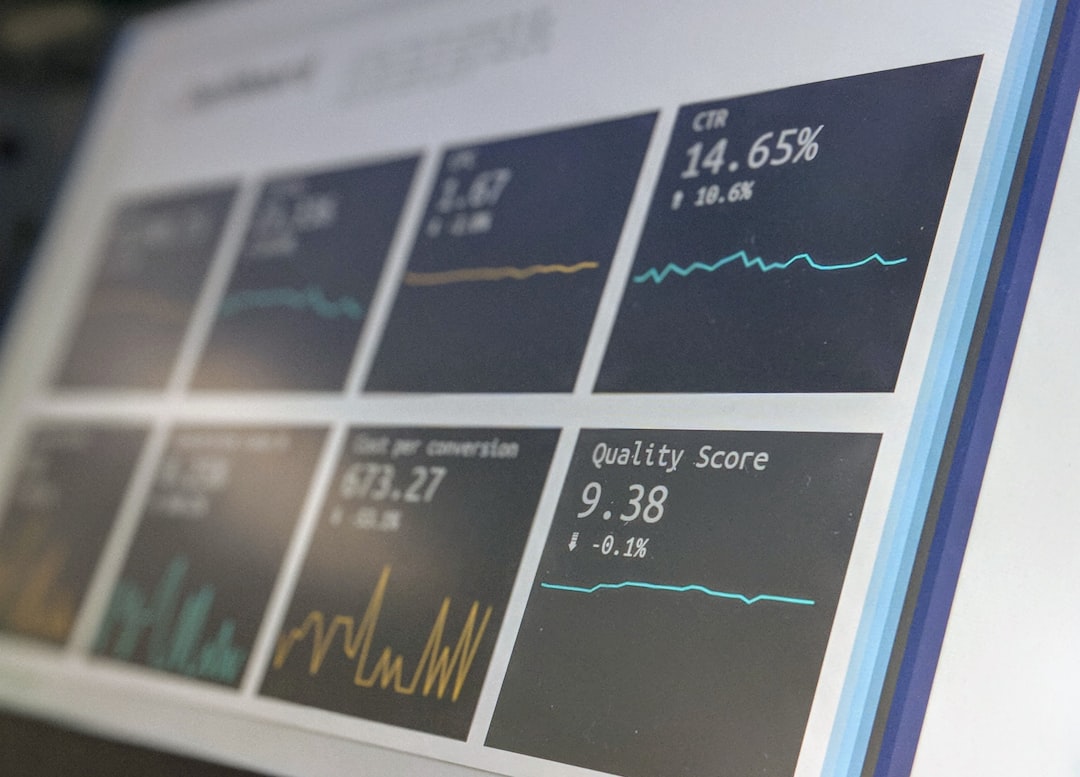
Manual reporting consumes disproportionate time in small agencies. By integrating Google Looker Studio with AI-powered connectors, teams automate:
- Cross-channel performance dashboards
- Real-time KPI tracking
- Predictive trend forecasting
Instead of compiling Excel sheets at month-end, reports update dynamically. Account managers can then focus on interpretation and strategic recommendations rather than raw data preparation.
This shift alone often saves several hours per client each month.
6. Narrative BI for Client-Friendly Insights
Data is only valuable when clients understand it. Narrative BI translates performance metrics into plain-language explanations.
For example, instead of showing a traffic spike, it automatically explains:
- What changed
- Why it likely happened
- What action may be required
This dramatically improves client communication—especially for non-technical stakeholders.
7. Descript for Audio and Video Content Editing
Many agencies now manage podcasts, webinars, or short-form video content. Descript simplifies editing by allowing teams to edit audio and video through text transcripts.
Its AI capabilities include:
- Filler word removal
- Automatic transcription
- Overdub voice correction
- Clip generation for social media
Small creative teams benefit significantly, as production no longer requires specialized technical editing expertise.
8. Grammarly Business for Brand Voice Consistency
While Grammarly is widely known, its Business tier remains underutilized in small agencies. It allows custom brand voice settings tailored to each client.
Agencies can configure:
- Preferred tone (formal, confident, friendly)
- Terminology rules
- Region-specific spelling standards
- Compliance language guidelines
This ensures multiple writers maintain consistency across campaigns—an important factor for long-term client relationships.
9. Fireflies.ai for Meeting Intelligence
Client meetings often generate valuable insights that go undocumented. Fireflies.ai records, transcribes, and summarizes calls automatically.
Beyond transcription, it highlights:
- Action items
- Questions raised
- Key decisions
- Sentiment indicators
This reduces follow-up confusion and ensures better accountability between agency and client teams.

Why These Tools Matter for Small Agencies
Unlike enterprise organizations, small agencies cannot afford inefficiency. Every hour saved on research, editing, reporting, or communication directly improves margins.
The hidden advantage of these tools lies in:
- Time compression: Faster production cycles without reducing quality
- Consistency control: Standardized outputs across accounts
- Scalability: Ability to handle more clients without expanding headcount
- Data clarity: Simplified interpretation of complex metrics
Importantly, these tools are not replacements for human expertise. Agencies that succeed with AI use it as augmentation—freeing strategists, writers, and account managers to focus on higher-level thinking.
Implementation Considerations
Adopting AI tools without structure can cause fragmentation. Agencies quietly succeeding with AI typically follow a disciplined rollout:
- Define a single workflow bottleneck (e.g., reporting prep time)
- Select one AI solution addressing that issue
- Train the team with clear usage guidelines
- Monitor output quality and time savings
- Expand gradually
This method prevents tool overload and minimizes redundancy.
The Competitive Edge
Clients increasingly expect:
- Faster turnaround times
- Clear, data-backed recommendations
- Consistent brand messaging
- Transparent reporting
Agencies equipped with intelligent AI support systems quietly exceed these expectations. While competitors struggle with manual workflows, AI-enabled teams operate with higher precision and predictability.
In practice, the advantage is not about automation hype. It is about creating operational resilience. Small agencies that integrate these lesser-known AI tools build capacity without increasing risk.
Final Thoughts
The most effective AI adoption strategies are often discreet. Small agencies rarely advertise the backend systems powering their operations—but those systems make measurable differences.
From research acceleration with Perplexity to meeting intelligence via Fireflies, these nine tools demonstrate how AI enhances content creation, reporting accuracy, and client communication. For agencies seeking sustainable growth, thoughtful AI integration is not optional—it is increasingly foundational.
In a competitive environment where efficiency, quality, and clarity define success, the agencies that quietly master these tools are positioning themselves well ahead of the curve.