Traveling with carry-on luggage can save time, reduce stress, and eliminate baggage fees. If you are flying with Southwest Airlines, understanding their carry-on policies before you arrive at the airport can make your experience far smoother. Southwest is well-known for its customer-friendly policies, but there are still important rules and size limits you need to follow to avoid delays or unexpected gate checks.
TLDR: Southwest Airlines allows each passenger to bring one carry-on bag and one personal item onboard at no extra charge. The carry-on must meet size requirements of 24 x 16 x 10 inches, including wheels and handles. Personal items must fit under the seat in front of you. While Southwest is generous compared to many airlines, all items must comply with TSA security regulations.
Southwest Carry-On Policy Overview
Yes, Southwest absolutely allows carry-on bags—and notably, they do not charge for them. Every ticketed passenger is permitted:
- One carry-on bag
- One personal item
This policy applies to all fare types, making Southwest one of the more transparent airlines when it comes to baggage. Unlike some carriers that charge for overhead bin space or restrict carry-on privileges with basic fares, Southwest maintains consistent rules across its pricing structure.
However, size limits and placement rules still apply. If your bag exceeds permitted dimensions, you may be required to check it—though Southwest does provide two free checked bags per passenger, which is another distinguishing benefit.
Carry-On Size Requirements
Southwest specifies that carry-on bags must not exceed:
- 24 inches long
- 16 inches wide
- 10 inches tall
These measurements include wheels, handles, and any protruding parts.
Image not found in postmetaIf your bag fits within these dimensions, it should easily fit in the overhead compartment. If your bag is larger, agents at the gate may require you to check it before boarding.
Southwest flights often board quickly due to their open seating policy. Because there are no assigned seats, passengers sometimes bring larger carry-ons to secure overhead bin space near their preferred seating area. Arriving early in your boarding group improves your odds of having convenient storage space.
Personal Item Rules
In addition to your carry-on bag, you may bring one personal item. This item must fit underneath the seat in front of you.
Common examples include:
- Purses
- Small backpacks
- Laptop bags
- Briefcases
- Small tote bags
Southwest does not provide exact dimensions for personal items, but a practical rule is to ensure it comfortably fits under a standard airline seat without obstructing legroom or emergency access.
Understanding this distinction is important: rolling suitcases typically count as your carry-on, not your personal item.
What Is Not Allowed in Carry-On Bags?
While Southwest determines baggage size policies, the Transportation Security Administration (TSA) governs what can actually be carried through security. Certain items are prohibited in carry-on luggage, including:
- Firearms (unless properly declared and checked)
- Explosives or flammables
- Large knives
- Liquids over 3.4 ounces (unless medically necessary)
The 3-1-1 rule remains in effect for liquids:
- Liquids must be in containers of 3.4 ounces or less
- All containers must fit inside one quart-sized clear bag
- Each passenger is limited to one bag
Failing to follow TSA guidelines can result in delays, item confiscation, or additional screening.
Southwest’s Two Free Checked Bags Policy
Although this article focuses on carry-ons, Southwest’s checked baggage policy is relevant because it influences how passengers pack.
Every passenger can check two bags for free, provided they meet these requirements:
- Maximum 50 pounds each
- Maximum 62 inches (length + width + height)
This is significant because many airlines charge $30–$40 for the first checked bag alone. Southwest’s approach gives travelers flexibility: if your carry-on is oversized or inconvenient, you can check it without additional cost in most circumstances.
Special Items and Exceptions
Southwest allows certain additional items beyond the standard carry-on and personal item. These may include:
- Assistive devices (wheelchairs, crutches)
- Child restraint systems
- Strollers and car seats
- Outer garments (coats or jackets)
- Food in disposable packaging
Assistive and medical devices do not count toward your carry-on limit. Parents traveling with infants are also generally permitted diaper bags in addition to standard allowances.
For musical instruments, Southwest allows small instruments like violins or guitars as carry-ons, provided they fit in the overhead bin. Larger instruments may require purchasing an additional seat or checking the item.
Gate Checking: What to Expect
If overhead bin space becomes limited, especially on full flights, Southwest may ask passengers to voluntarily gate-check their carry-on bags. This typically happens during boarding of later groups.
Gate-checked bags:
- Are tagged at the gate
- Travel in the cargo hold
- Are usually returned at baggage claim
To avoid gate checking:
- Pack compactly
- Board early (check in exactly 24 hours before departure)
- Consider EarlyBird Check-In
Open Seating and Its Effect on Carry-Ons
Southwest’s open seating system indirectly influences carry-on behavior. Since seats are not pre-assigned, passengers are boarding in groups (A, B, C) and choose seats upon entering the aircraft.
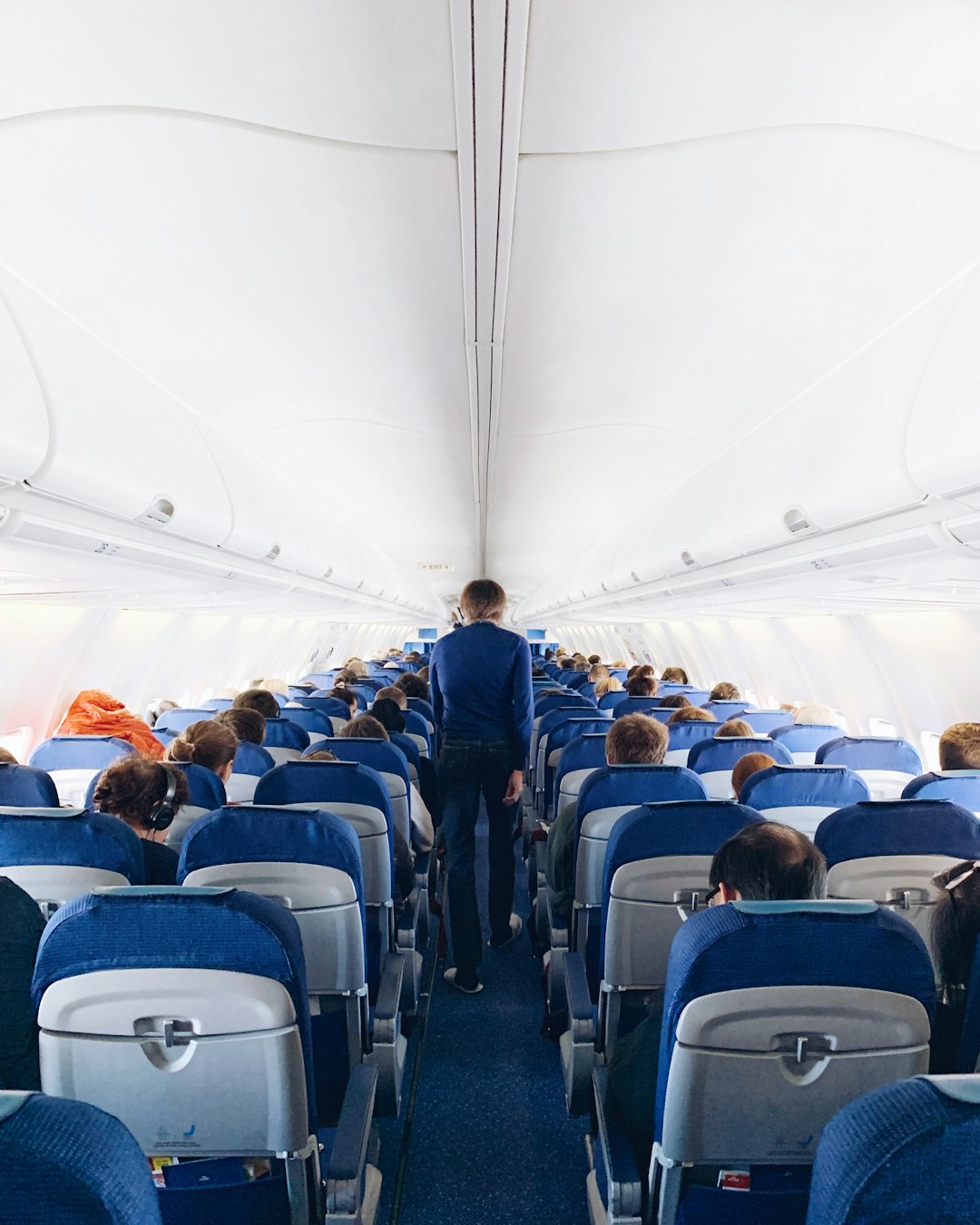
Passengers in later boarding groups sometimes find overhead space limited near the front of the plane. In these cases, you may need to place your bag several rows away from your seat or gate-check it entirely.
This system makes early boarding advantageous not just for seat selection but for convenient luggage storage.
Tips for Hassle-Free Carry-On Travel with Southwest
To ensure compliance and avoid complications, consider the following practical strategies:
- Measure your bag before arriving at the airport.
- Use a soft-sided suitcase if possible, as it can compress slightly if needed.
- Keep valuables and essential items in your personal item.
- Check in exactly 24 hours prior to departure for a better boarding position.
- Be prepared for occasional gate-checking on busy routes.
Additionally, always keep medications, electronics, important documents, and fragile items in your personal item in case your carry-on must be checked unexpectedly.
Common Misunderstandings About Southwest Carry-Ons
There are several misconceptions surrounding Southwest’s policies:
- Myth: Only certain fare types allow carry-ons.
Reality: All Southwest fares include one carry-on and one personal item. - Myth: A backpack counts as a carry-on.
Reality: It depends on size. Small backpacks qualify as personal items. - Myth: Southwest limits carry-on weight.
Reality: Southwest does not publish a strict weight limit but expects passengers to safely lift bags into overhead bins.
Final Thoughts
Southwest Airlines maintains one of the most customer-friendly baggage policies in the United States. Every passenger may bring one carry-on bag and one personal item onboard free of charge, as long as size limitations are respected. Combined with the airline’s two free checked bags policy, travelers have considerable flexibility in how they pack.
Nevertheless, compliance with size rules and TSA security regulations remains essential. Preparing in advance—by measuring your luggage, organizing liquids appropriately, and checking in on time—can help ensure your bags travel with you smoothly.
In short, Southwest does allow carry-on bags, and in fact offers more generous luggage accommodations than many competitors. Understanding the rules clearly and planning accordingly will help you board with confidence and travel without unnecessary stress.