Commerce has always evolved alongside the dominant infrastructure of its time—from trade routes and shipping lanes to railroads, credit card networks, and the internet. In 2026, we are witnessing the early foundations of something even more ambitious: the Universal Commerce Protocol (UCP). Designed to unify fragmented payment systems, digital identities, logistics networks, and smart contracts, UCP aims to create a seamless global layer for buying and selling anything, anywhere—between anyone or anything.
TLDR: The Universal Commerce Protocol (UCP) is an emerging framework designed to unify payments, identity, logistics, and contracts into a single interoperable commerce layer. By combining blockchain infrastructure, AI, open standards, and programmable finance, it enables seamless global transactions between people, businesses, and machines. UCP reduces friction, lowers costs, and enhances trust across borders. In 2026, it is shaping up to be the backbone of truly borderless, automated commerce.
At its core, UCP is not a single app or company—it is a shared protocol layer, much like HTTP for the web. Just as HTTP standardized how information travels online, UCP standardizes how value moves across platforms, devices, and jurisdictions. It connects financial institutions, crypto networks, ecommerce systems, IoT devices, and supply chains into one interoperable fabric.
Why the World Needs a Universal Commerce Protocol
Despite rapid technological advancement, global commerce remains fragmented. Businesses and consumers face:
- Payment silos between banks, wallets, and digital currencies
- High cross-border fees and settlement delays
- Disconnected identity systems
- Manual supply chain verification
- Limited interoperability between marketplaces and platforms
These inefficiencies cost trillions in friction annually. Small businesses struggle to expand internationally, creators wrestle with platform lock-in, and emerging markets remain excluded from global trade networks.
The Universal Commerce Protocol addresses these constraints by introducing three foundational principles:
- Interoperability by default
- Programmable transactions
- Verified digital identity
Together, these principles make it possible for a buyer in Nairobi to purchase from a manufacturer in Vietnam, using a digital wallet issued in Brazil, with automatic tax compliance and logistics tracking—all within seconds.

Core Components of the Universal Commerce Protocol
Building UCP requires aligning several advanced technologies into one cohesive infrastructure. Each component contributes a vital capability.
1. Universal Digital Identity
Identity sits at the heart of commerce. Without trust, transactions stall. UCP integrates portable, verifiable digital identities that work across borders and platforms.
These identities:
- Use cryptographic verification
- Store credentials privately under user control
- Enable instant KYC and compliance validation
- Allow selective disclosure of personal information
Instead of repeatedly submitting passports and documents, users validate once and transact everywhere.
2. Interoperable Payment Rails
Perhaps the most visible layer of UCP is its unified payment infrastructure. It connects:
- Traditional banking systems
- Card networks
- Central bank digital currencies (CBDCs)
- Stablecoins and cryptocurrencies
- Mobile money ecosystems
Through standardized APIs and smart contracts, payments become currency-agnostic. Settlement occurs in real-time or near real-time, reducing counterparty risk and eliminating correspondent banking bottlenecks.
3. Smart Contract Automation
UCP embeds programmable logic directly into transactions. Smart contracts enable:
- Automatic escrow release upon delivery confirmation
- Real-time tax calculation and remittance
- Royalty distribution for creators
- Milestone-based payments for services
This moves commerce from manual reconciliation to self-executing agreements.
4. Intelligent Logistics Integration
Beyond payments, UCP links into shipping carriers, customs systems, and IoT-enabled tracking devices. A product’s journey—from warehouse to doorstep—is recorded and verifiable.
With sensor data feeds, the protocol can:
- Confirm storage conditions
- Trigger insurance claims automatically
- Update revenue recognition systems
- Resolve disputes with transparent audit trails
The Architecture Behind UCP
The Universal Commerce Protocol operates as a modular stack rather than a monolithic system. This ensures scalability and adaptability as technologies evolve.
Layer 1: Settlement Infrastructure
This foundational layer includes blockchains, real-time gross settlement systems, and tokenized asset networks.
Layer 2: Identity and Compliance
Digital IDs, credential verification services, and regulatory APIs operate here.
Layer 3: Commerce Applications
Marketplaces, banking apps, supply chain tools, and IoT devices integrate at this level.
This layered design enables innovation without breaking interoperability. Developers build atop standardized protocols, ensuring compatibility across continents and jurisdictions.
How AI Strengthens the Protocol
Artificial intelligence plays a crucial role in refining and securing UCP. In 2026, AI models embedded into commerce infrastructure perform:
- Fraud detection in real time
- Dynamic pricing optimization
- Predictive logistics routing
- Automated compliance monitoring
AI-driven risk scoring reduces false positives and supports inclusion of underbanked populations with thinner credit histories. By analyzing behavioral signals instead of legacy financial records alone, commerce becomes more equitable and data-driven.
Benefits for Businesses and Consumers
The Universal Commerce Protocol is not merely a technical upgrade—it represents a structural shift in economic participation.
For Businesses:
- Reduced transaction and FX fees
- Instant global customer reach
- Automated regulatory compliance
- Simplified accounting and reconciliation
- Interoperability across sales channels
For Consumers:
- One portable identity across services
- Lower international payment costs
- Greater transparency and dispute resolution
- Faster refunds and settlement times
- Improved privacy controls
The result is less friction, increased trust, and wider access to global markets.
Machine-to-Machine Commerce
One of the most transformative aspects of UCP is its support for autonomous commerce. Connected devices can transact independently.
Imagine:
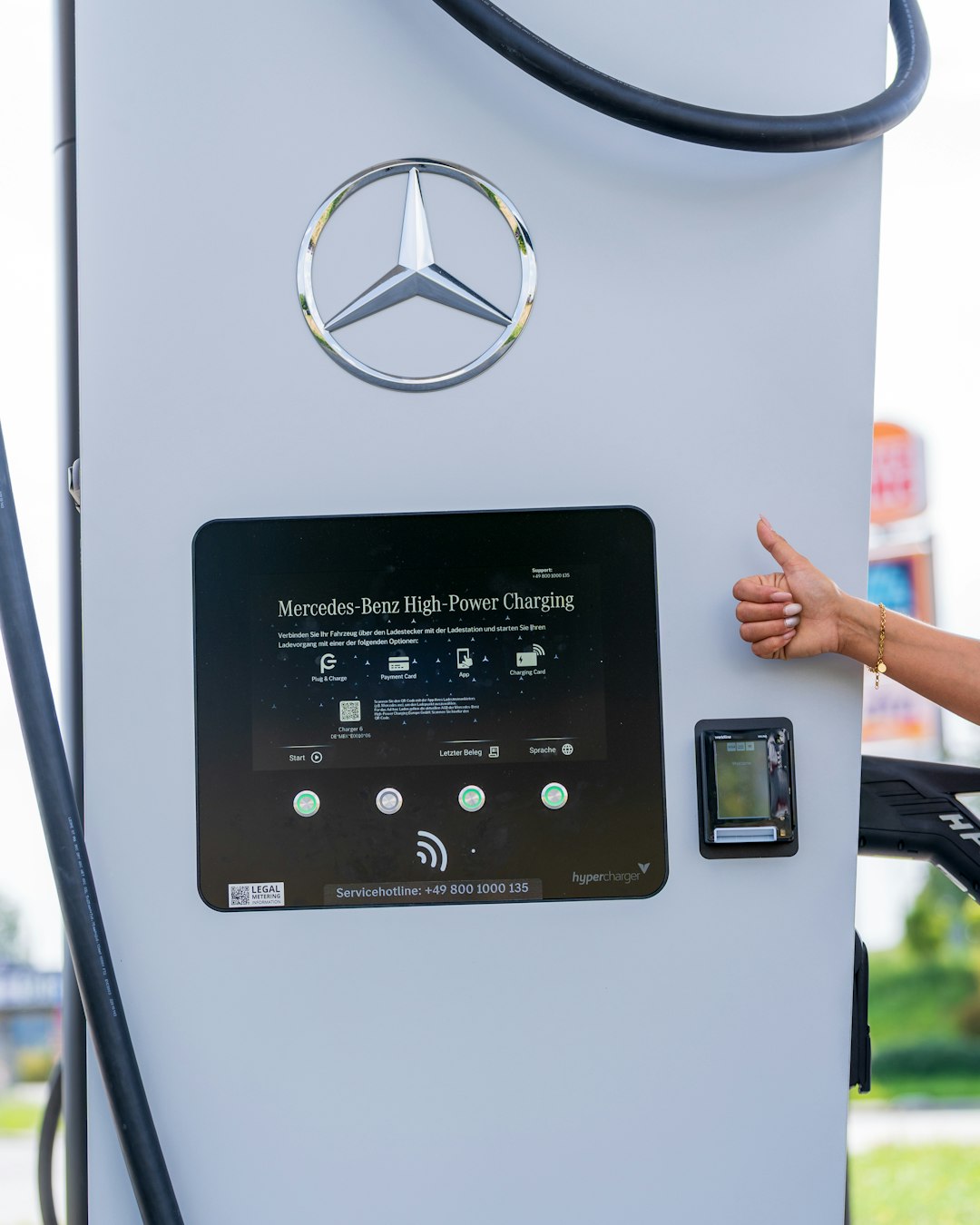
- An electric vehicle paying automatically for charging sessions
- A smart factory reordering supplies when inventory runs low
- An agricultural sensor purchasing satellite data access during drought conditions
With embedded payment wallets and verified identities, devices become economic actors. UCP standardizes these interactions securely.
Regulation and Governance Challenges
No universal protocol can succeed without coordinated governance. In 2026, regulators, financial institutions, and technology consortia are collaborating to define:
- Data protection standards
- Cross-border tax frameworks
- AML and counter-terrorism compliance mechanisms
- Interoperability certifications
A balance must be struck between innovation and oversight. The protocol’s open-standard model allows governments to plug into compliance layers without fragmenting the system.
Security Design Principles
Given its scope, UCP incorporates robust security architecture:
- Zero-trust authentication models
- End-to-end encryption
- Decentralized identity verification
- Multi-sig transaction validation
By combining cryptography with distributed validation mechanisms, UCP reduces single points of failure.
The Road Ahead
While still emerging, the Universal Commerce Protocol is gaining traction through pilot programs and cross-industry alliances. Financial institutions are tokenizing deposits. Governments are issuing digital currencies. Ecommerce platforms are adopting decentralized identity standards. Logistic providers are integrating blockchain traceability.
The next milestones include:
- Mass adoption of portable digital identity wallets
- Cross-CBDC interoperability standards
- Global micropayment optimization
- AI-driven autonomous tariff classification
As these developments converge, commerce will become less about geographic constraints and more about permissionless participation.
Conclusion
The Universal Commerce Protocol represents an ambitious reimagining of how value moves in a connected world. By unifying payments, identity, smart contracts, logistics, and artificial intelligence under one interoperable framework, it lays the groundwork for frictionless global trade.
In 2026, we stand at the edge of this transformation. Much like the early days of the internet, the foundational layers are being built quietly—but their long-term impact could redefine the world economy. If UCP succeeds, commerce will no longer be limited by borders, intermediaries, or incompatible systems. Instead, it will operate as a seamless, programmable network—open to businesses, consumers, and even machines everywhere.
The Universal Commerce Protocol is not merely about faster payments—it is about building the infrastructure for a truly interconnected global marketplace.