



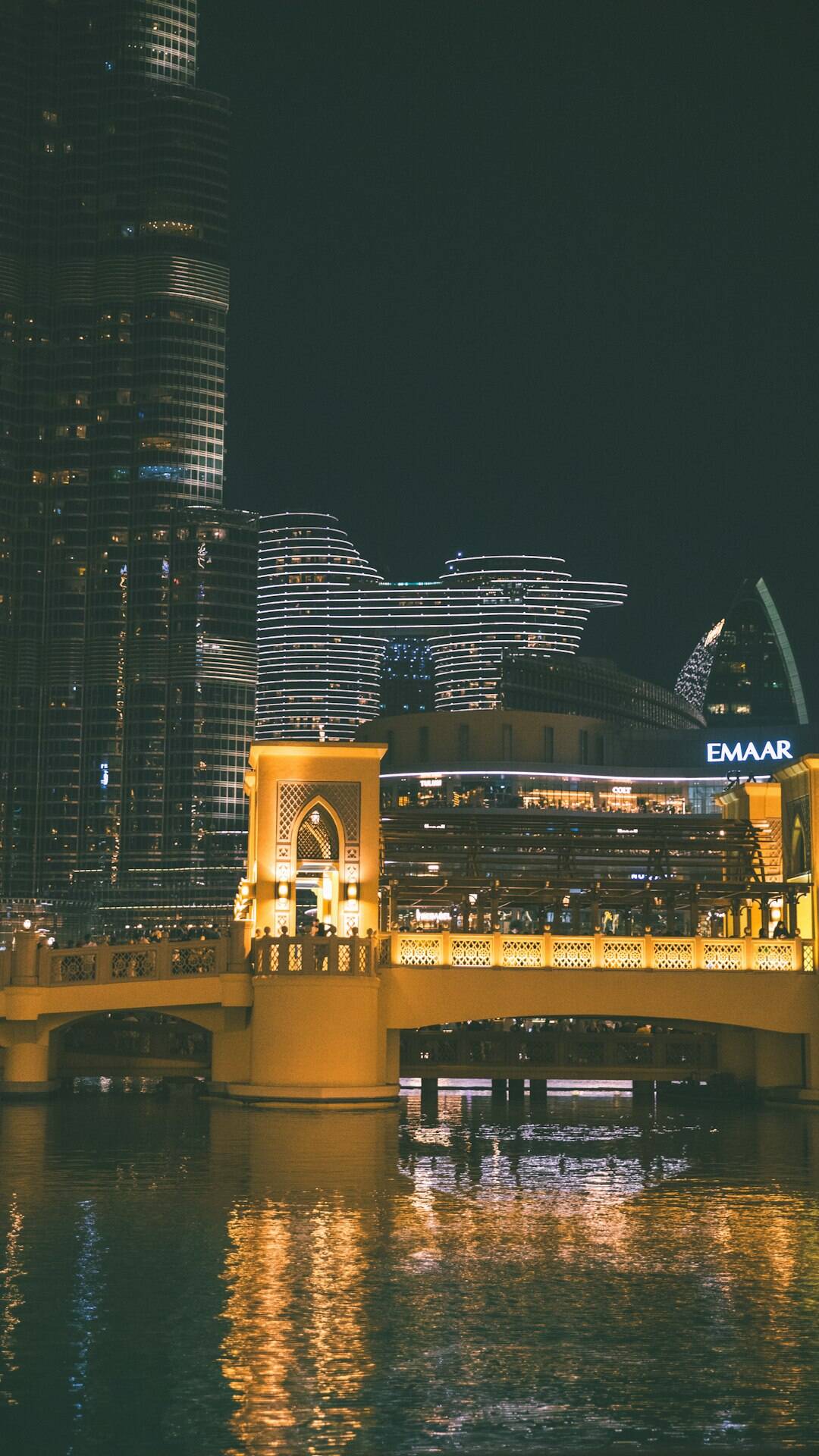
Dubai — city of dreams, skyscrapers, and flashy cars. It’s also a hot spot for real estate investors and homebuyers. But buying a property here isn’t just about liking a view from the Burj Khalifa. There are a few traps that can trip you on your way to owning a little piece of this desert jewel.
TL;DR
Buying property in Dubai can be exciting, but don’t rush. Read up on the rules, know your rights, and double-check everything before signing. Avoid skipping due diligence or ignoring hidden costs. When in doubt, ask for expert help!
1. Not Knowing Where You’re Buying
Dubai isn’t all glitz. While some areas feel like five-star resorts, others are still developing or don’t match the style you’re looking for. The city is carefully zoned, and each neighborhood offers something different.
Before you buy, ask yourself:
- Do I want to live here or rent it out?
- Is this area a tourist hotspot or a residential zone?
- What’s nearby? Schools? Public transport? Shopping?
Popular spots like Downtown, Palm Jumeirah, and Dubai Marina come at a premium. But go just a little further out — like JVC, Sports City, or Sobha Hartland — and you might find better value.

2. Skipping Developer or Seller Background Checks
This one’s huge. Dubai has a booming property scene, but not all developers and sellers are trustworthy. Just because someone has an office and a website doesn’t mean they’re reliable.
Always check:
- Is the developer registered with RERA (Real Estate Regulatory Agency)?
- Does the seller actually own the property?
- Have they completed projects in the past?
Pro tip: Ask other buyers for reviews or experiences. Real estate forums and Facebook groups are goldmines for this.
3. Ignoring Hidden Costs
That AED 1 million flat? It’s likely to cost more than just the sales price. There are plenty of extra charges that catch first-time buyers off guard.
Common hidden costs include:
- 4% Dubai Land Department (DLD) fee
- 1–2% agency fee
- Oqood registration fee (for off-plan properties)
- Service charges and maintenance fees (yearly)
Always budget an extra 7–8% on top of the property price. And ask for a breakdown before you commit to anything.
4. Not Getting Pre-Approval
If you’re planning to buy with a mortgage, don’t shop before the bank gives you a thumbs up. Mortgage pre-approval tells you how much you can borrow and saves time later.
Also, keep in mind that most banks require:
- A salary certificate
- Bank statements (last 6 months)
- A copy of your passport and visa
Bonus tip: Non-residents can also get mortgages, but they usually need to put down a higher down payment — sometimes 50%!
5. Overlooking Property Inspection
Looks can be deceiving. Just because it’s shiny doesn’t mean it’s sound.
Things to check:
- Plumbing and water pressure
- Air conditioning system (AC breakdowns are common!)
- Window seals and quality of finishes
- Any signs of mold or water damage
It’s worth bringing an expert inspector to give the place a once-over, especially with older properties.
6. Forgetting About Freehold vs Leasehold
In Dubai, not all areas are created equal when it comes to ownership. There are two key types:
- Freehold: You own the property and the land. Mostly open to foreign buyers.
- Leasehold: You lease the property for up to 99 years. You don’t own the land.
Always confirm the ownership status before paying anything. Freehold properties are mostly located in designated zones such as Downtown, JVC, and Arabian Ranches.
7. Signing Without Reading
We get it. Excitement gets the better of us sometimes. But contracts in Dubai can be complex, and sometimes they hide deal-breakers in fine print.
Here’s what you must look for in any agreement:
- Payment schedule
- Completion date (for off-plan)
- Penalties for delays or cancelation
- Snagging and handover responsibilities
If you’re unsure about anything, have a lawyer check it. Better safe than stuck!


8. Not Using a RERA-Certified Agent
Dubai’s real estate agents can be super helpful — or super shady. To avoid scams or fake listings, only work with RERA-approved agents.
You can check an agent’s license number on the Dubai Land Department website.
Also choose agents with good communication skills. You’ll be talking to them a lot as paperwork moves forward!
9. Buying Off-Plan Without Research
Off-plan properties (still under construction) might be cheaper, but they come with risks. Delays, changes in layout, or worse — cancellations.
Questions to ask before buying off-plan:
- Has the developer completed previous projects?
- Is the project funded and approved by RERA?
- When is the handover date?
Tip: Make sure your money goes into an escrow account. This is required by law and protects your payments until the project is built.
10. Not Planning the Exit Strategy
Are you buying to sell later? Rent it out? Live in it forever? Whatever your plan, have an exit strategy.
The market can shift. Rents can go up — or down. Property values fluctuate. Having a clear goal helps you pick the right location, unit type, and budget.
Example exit strategies:
- Rent it for short-term (Airbnb style)
- Lease to long-term tenants
- Sell in 5 years when value increases
Final Thoughts
Buying property in Dubai is exciting, but it’s also serious business. Take your time. Ask a lot of questions. Don’t rush into deals that seem too good to be true — they usually are.
With the right homework and some patience, you’ll end up with a property that brings you joy — and maybe even profit.
Happy house hunting!