Looking to buy jewelry in the U.S. but don’t know where to begin? Don’t worry—you’re not alone. Whether you’re shopping for yourself or buying a gift, finding quality jewelry can feel overwhelming. But with the right tips and a bit of sparkle in your step, you’ll be making great choices in no time!
TLDR: Too Long, Didn’t Read
Choosing quality jewelry in the U.S. isn’t as hard as it seems. Stick to trusted stores, look for precious metals and certified gems, and always ask questions. Know your budget and style before stepping into a store. And most importantly—if it doesn’t feel right, don’t buy it!
1. Know Your Jewelry Basics
Before you go shopping, let’s get familiar with some key terms. That way you won’t feel like you’re lost in a jewelry jungle.
- Gold: Usually comes in 10K, 14K, or 18K. Higher karats = more gold content and price.
- Sterling Silver: Look for a stamp that says “925.” That means it’s 92.5% silver—solid stuff.
- Platinum: Super strong and luxurious. Also super expensive.
- Gemstones: Think diamonds, sapphires, emeralds, rubies. Check for certifications.
- Diamonds: Learn your 4Cs—Cut, Color, Clarity, Carat.
2. Set Your Budget
Let’s be real. Not everyone’s buying a $20,000 necklace for fun. Set a realistic budget and stick to it.
Here’s a quick guide to help you plan:
- $50–$200: Fashion jewelry, usually plated or costume.
- $200–$1,000: Sterling silver, small gold studs, simpler gemstone pieces.
- $1,000–$5,000: High-quality gold and diamond items.
- $5,000+: Welcome to the luxury league.
3. Choose a Trusted Seller
Not all jewelry sellers are created equal. Some want your money more than they care about your happiness (yikes!). Where you shop matters.
Here are your best bets:
- Reputable national chains: Stores like Kay, Jared, and Zales have been around for years.
- Independent jewelers: Many family-owned shops offer great personalized service.
- Online stores: Look for ones with solid reviews, return policies, and certification (e.g., Blue Nile, James Allen).
Planning to shop online? Be sure to check customer reviews, secure payment policies, and clear return rules.

4. Ask for Documentation
Good jewelry deserves good paperwork. Don’t leave the store or click “buy now” without it.
Ask for:
- Certificate of authenticity: Confirms metal type and stone quality.
- Return & warranty info: If something breaks or doesn’t fit.
- Appraisal (for insurance): Important for more expensive items.
If the shop hesitates or makes excuses… red flag!
5. Understanding Diamonds and Gemstones
Let’s shine some light on diamonds first. The 4Cs are super important. Here’s a cheat sheet:
- Cut: How the stone reflects light. More sparkle = better cut.
- Color: The less color, the higher the quality (except for fancy-colored diamonds).
- Clarity: Fewer flaws = rarer and more valuable.
- Carat: Stone size. Bigger isn’t always better!
Other gemstones like sapphires and emeralds have their own standards. Ask the jeweler for explanations or even do a little research ahead of time. Don’t be shy—it’s your money.
6. Test the Metal
You don’t need to be a metal expert to judge quality. Just check for these:
- Stamps: Look for marks like 14K, 925, or PT950.
- Magnet test: Real gold and silver aren’t magnetic. If a magnet sticks…something’s fishy.
- Weight: Real precious metals feel heavier than cheap fakes.
When in doubt, ask the seller to help or get a second opinion.
7. Match Jewelry to Style
Some people like bold, chunky necklaces. Others prefer tiny sparkles. Know your (or your giftee’s) vibe before you buy.
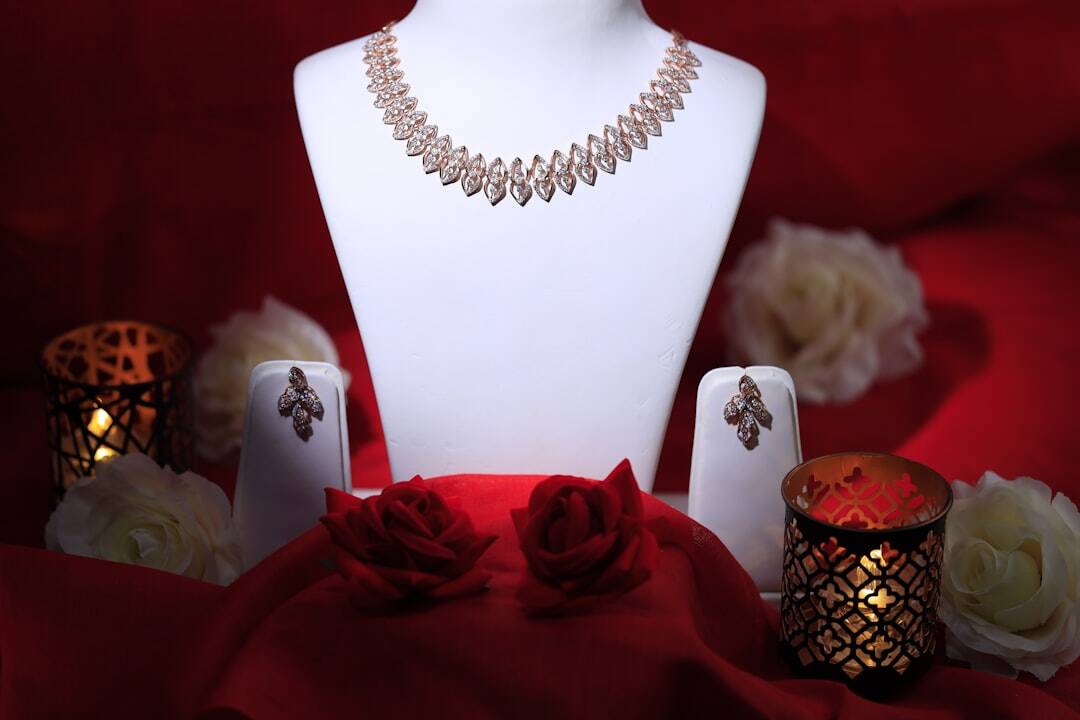
Here are some style types to consider:
- Classic: Timeless pieces like pearl studs or a small diamond pendant.
- Boho: Layered chains, natural stones, earthy metals.
- Modern: Geometric shapes, minimal designs, mixed metals.
Buying a gift? Sneak a peek at their current jewelry for clues.
8. Don’t Fall for “Too Good to Be True” Deals
A $5 diamond ring in a clearance bin? Yeah, no. Scams and low-quality knock-offs are out there. Super-low prices often mean poor materials or fake stones.
Trust your gut. When something seems off, it probably is.
9. Think Long-Term
When choosing jewelry, think beyond just how cute it looks today. Will it last? Will it still be in style later?
Tips for long-term love:
- Go for classic designs if you want lasting appeal.
- Choose durable metals (silver, gold, platinum).
- Ask about service options—repairs, resizing, cleaning.
10. Care and Maintenance
Congrats—you’ve got your shiny new treasure! But don’t just toss it in a drawer. Take care of it.
Basic jewelry care tips:
- Use a soft cloth to clean your pieces regularly.
- Keep jewelry dry and away from perfumes and lotions.
- Store in a fabric-lined box or pouch to avoid scratches.
- Take rings off when working out or doing dishes.
Bonus Tip: Trust Your Heart
Yes, we’re getting a bit emotional here, but it’s true! Jewelry is personal. If a piece speaks to you—even if it’s not super flashy or trendy—it’s the right one.
And remember: price doesn’t always equal value. Sentimental jewelry can be the most priceless of all.
Final Sparkling Takeaway
Buying quality jewelry in the U.S. doesn’t have to be scary. Armed with your knowledge, a bit of curiosity, and maybe even a friend for a second opinion, you’re totally ready. Sparkle smart, shop with confidence, and wear your pieces with joy.
Now go rock that jewelry box!