In modern additive manufacturing environments, efficiency is everything. From prototyping labs to full-scale production floors, companies rely on workflow management software to streamline operations, reduce waste, and maintain exceptional print quality. As 3D printing technologies evolve, so do the digital tools that control file preparation, material allocation, production scheduling, and quality assurance. The right workflow software does more than manage prints—it actively optimizes material consumption and enhances overall performance.
TLDR: 3D printing workflow management software helps businesses reduce material waste, automate production scheduling, and improve print accuracy. The best tools combine smart nesting, printer monitoring, analytics, and quality control features into one centralized platform. This article examines five leading software solutions that optimize both material use and print quality, along with a comparison chart and frequently asked questions.
Why Workflow Management Software Matters in 3D Printing
Without structured workflow oversight, additive manufacturing operations often suffer from inefficient part nesting, failed prints, inconsistent material usage, and costly downtime. Software solutions address these problems by:
- Automating job scheduling to reduce idle printer time
- Optimizing part orientation and nesting to conserve materials
- Monitoring machine performance in real time
- Tracking material inventory and usage
- Maintaining consistent quality standards
When these capabilities are combined into a unified platform, manufacturers gain measurable cost savings and enhanced reliability across production cycles.
1. Materialise Streamics
Materialise Streamics is a comprehensive workflow automation platform designed specifically for industrial 3D printing environments. It integrates seamlessly with Materialise Magics and various printer brands, making it a popular choice for large-scale operations.
Key Features
- Automated build preparation with optimized nesting
- Centralized production dashboards
- Quality control traceability
- Material tracking and reporting
How it optimizes material use: Streamics minimizes unused build volume by intelligently arranging parts within the print chamber. It also tracks powder reuse cycles, helping operators reduce unnecessary disposal in metal and polymer processes.
How it enhances print quality: Integrated QA documentation and standardized workflows ensure repeatability, which is essential for aerospace, automotive, and medical manufacturing.
2. Autodesk Fusion with Netfabb
Autodesk Fusion with Netfabb offers advanced design-to-production integration. While known primarily for design and simulation, its workflow management and additive preparation tools provide significant material and quality advantages.
Key Features
- Generative design for lightweight structures
- Advanced simulation tools
- Build packing and nesting optimization
- Support structure minimization tools
Material optimization strength: Generative design creates geometries that use dramatically less material while maintaining strength. Intelligent support placement reduces excess usage and post-processing time.
Print quality enhancement: Simulation tools predict warping, thermal stress, and distortion before printing, reducing failed builds and wasted materials.
Image not found in postmeta3. 3YOURMIND
3YOURMIND focuses on digital inventory and production workflow optimization. It is widely used in distributed manufacturing networks and spare-parts digitization programs.
Key Features
- Automated part identification for AM suitability
- Smart quoting and costing tools
- Production scheduling optimization
- Digital warehouse management
Material optimization strength: By identifying which parts are best suited for additive production, 3YOURMIND prevents inefficient or unnecessary prints. Its cost analysis tools ensure material usage aligns with budget targets.
Print quality enhancement: Workflow standardization across multiple sites reduces inconsistencies in print parameters and production settings.
4. AMFG (Additive Manufacturing Flow)
AMFG is a powerful end-to-end workflow automation solution designed for scaling additive manufacturing operations. It connects order management, machine monitoring, and analytics into one platform.
Key Features
- Automated order processing
- Live printer monitoring
- Production analytics dashboard
- MES integration capabilities
Material optimization strength: Real-time monitoring detects failed prints early, preventing wasted filament, resin, or powder. Scheduling optimization groups compatible jobs together to maximize build volume efficiency.
Print quality enhancement: Performance analytics identify recurring machine issues, allowing preventative maintenance before quality problems escalate.
5. Authentise
Authentise specializes in data-driven workflow management and traceability, with strong analytics and machine connectivity capabilities.
Key Features
- End-to-end production traceability
- Real-time data collection from machines
- Material usage tracking per part
- Integration with ERP systems
Material optimization strength: Authentise tracks material consumption down to individual builds, enabling highly accurate forecasting and reduced waste in inventory management.
Print quality enhancement: Real-time alerts detect deviations in temperature, layer formation, or machine parameters—allowing immediate corrective action.
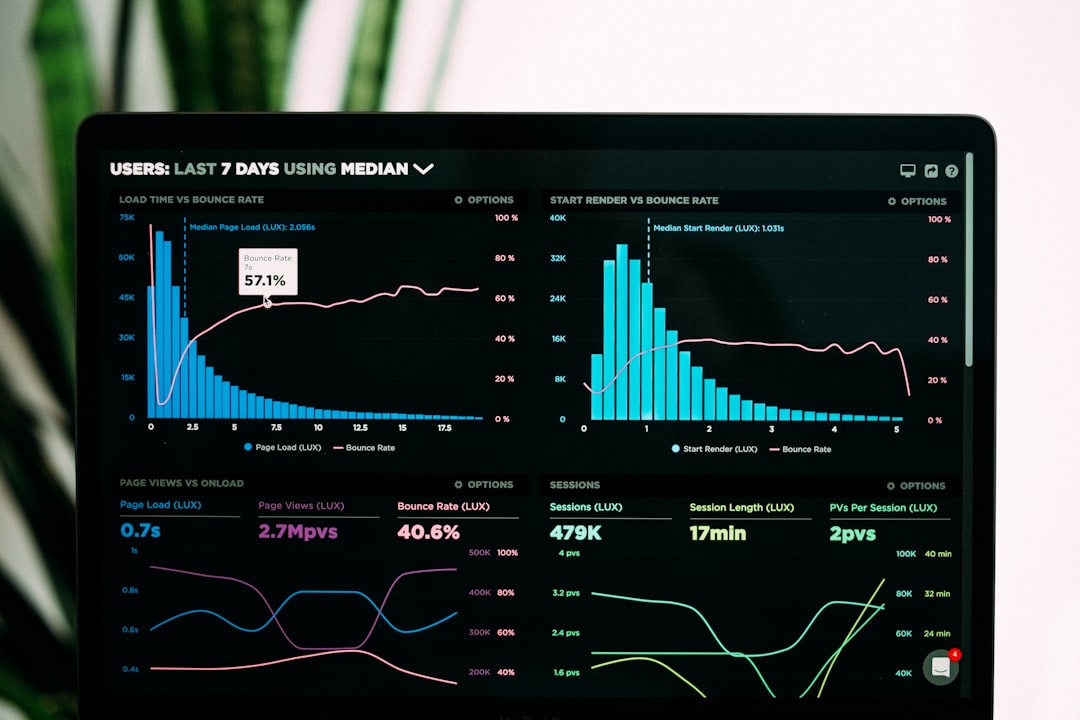
Comparison Chart
| Software | Best For | Material Optimization | Quality Control Features | Scalability |
|---|---|---|---|---|
| Materialise Streamics | Industrial production | Advanced nesting, powder tracking | Full traceability and QA documentation | High |
| Autodesk Fusion with Netfabb | Design-driven optimization | Generative design, support reduction | Simulation and distortion prediction | Medium to High |
| 3YOURMIND | Distributed manufacturing | Part selection intelligence | Workflow standardization | High |
| AMFG | Production scaling | Build grouping, failure detection | Real-time performance analytics | Very High |
| Authentise | Data-driven operations | Detailed consumption tracking | Live machine parameter monitoring | High |
Choosing the Right Workflow Software
Not every solution fits every operation. When evaluating workflow management tools, organizations should consider:
- Production volume: Small prototyping labs may not need full MES integration.
- Material types: Metal printing requires more robust tracking than basic filament systems.
- Regulatory requirements: Aerospace and medical industries need comprehensive traceability.
- Integration capabilities: Compatibility with ERP and CAD systems improves efficiency.
The best software is one that aligns with both short-term production needs and long-term scaling goals.
Conclusion
As additive manufacturing shifts from experimentation to full-scale production, workflow management software has become essential. Tools like Materialise Streamics, Autodesk Fusion with Netfabb, 3YOURMIND, AMFG, and Authentise help organizations cut costs by optimizing material usage while simultaneously improving print quality.
Through intelligent nesting, generative design, real-time machine monitoring, and advanced analytics, these platforms transform scattered printing operations into streamlined digital ecosystems. In competitive manufacturing industries, that optimization can mean the difference between profitability and waste.
Frequently Asked Questions (FAQ)
1. What is 3D printing workflow management software?
It is a digital platform that manages the entire additive manufacturing process, including file preparation, job scheduling, machine monitoring, material tracking, and quality assurance.
2. How does workflow software reduce material waste?
It uses intelligent nesting, generative design, real-time monitoring, and failure detection to minimize unnecessary material use and prevent failed builds.
3. Is workflow software necessary for small 3D printing businesses?
While small operations may start without it, workflow management software becomes increasingly valuable as production volume grows and efficiency becomes critical.
4. Can these tools integrate with existing ERP systems?
Yes, many advanced platforms such as Authentise and AMFG offer ERP and MES integration to streamline enterprise-level manufacturing operations.
5. Which tool is best for improving print quality?
The best option depends on the workflow stage. Autodesk Fusion with Netfabb excels at design and simulation, while Authentise and AMFG provide strong real-time production monitoring for consistent quality.
6. Do these platforms support multiple printer brands?
Most leading workflow management tools are hardware-agnostic and integrate with various printer manufacturers, though compatibility should always be verified before implementation.