When evaluating your property’s value, many factors come into play: location, condition, local market dynamics, and, increasingly, the presence of schemes and initiatives. Whether it’s a government development scheme, local infrastructure projects, or residential regeneration programs, these can have a significant influence on the financial estimate of your real estate. Understanding the ways in which different schemes can impact your property value is crucial for both homeowners and potential buyers.
TLDR (Too Long; Didn’t Read)
Schemes—whether they are infrastructure upgrades, residential developments, or government regeneration initiatives—can either boost or reduce your property’s value. Positive impacts come from improved connectivity and neighborhood appearance, while negative effects might include congestion or construction noise. Monitoring ongoing and upcoming schemes in your area can help you make smarter property decisions. Always consider both short-term inconveniences and long-term growth potential when evaluating scheme influence.
What Is a Scheme in Real Estate Context?
In the world of real estate, a scheme refers to any planned and organized development or reform that changes aspects of an area. These can include:
- Government-funded infrastructure projects such as new roads, train lines, or utility upgrades
- Urban regeneration programs that revitalize derelict neighborhoods
- Private residential and commercial developments
- Housing association initiatives or shared ownership schemes
- Environmental projects like green spaces or flood defenses
Each type of scheme carries its own implications for your property’s present and future value.
Positive Impacts of Schemes on Property Value
1. Improved Infrastructure and Transportation
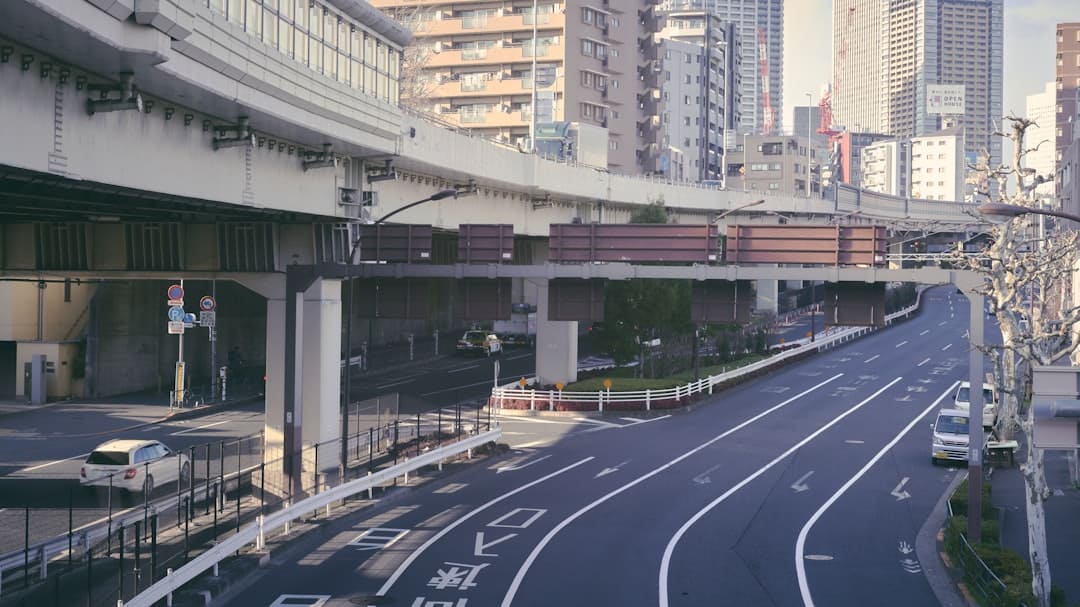
Perhaps the most obvious and immediate benefit of a scheme is improved infrastructure. Upgraded roads, better public transport, and new cycle lanes or pedestrian routes can vastly enhance an area’s accessibility, directly boosting buyer interest.
Case in point: A study found that properties located near Crossrail stations in London increased in value by up to 25% even before the stations opened.
2. Urban Regeneration and Neighborhood Appeal
Urban regeneration projects often involve removing abandoned buildings, reducing crime, and introducing updated public spaces. This gives neighborhoods a new lease on life and can dramatically shift public perception—from undesirable to trendy—in a very short time.
First impressions are key: A clean, safe, and well-kept street will always be more attractive to buyers than a rundown locale. These external improvements influence the “curb appeal” and perceived value.
3. Job Creation and Economic Uplift
Large-scale commercial schemes, such as the development of business parks or retail centers, often bring new jobs to the area. When employment opportunities increase, local populations grow, demand for housing rises, and so too does your property’s value.
4. New Educational and Healthcare Facilities
New or improved schools and medical centers are a huge plus for families and young professionals. Anything that increases the quality of life within walking distance from home has the potential to add value.
Examples include:
- New primary and secondary schools with a good Ofsted rating
- Access to modern hospitals or urgent-care centers
- Well-funded community centers offering childcare and eldercare
Negative Impacts of Schemes
1. Temporary Disruptions and Construction Drawbacks
Any scheme usually begins with a construction phase, and this can bring noise, dust, and traffic delays. For current residents, these inconveniences may reduce a home’s desirability and perceived livability.
Buyers thinking short-term may be discouraged if a property is adjacent to a construction site, even if long-term benefits await. During extensive projects, you may even see a temporary dip in property value.
2. Overdevelopment and Congestion
While new developments bring life and activity, overdevelopment can strain local resources. Increased traffic, stretched school capacity, and longer healthcare wait times can detract from a neighborhood’s appeal.
If a residential scheme adds hundreds of housing units without boosting infrastructure, the whole community may feel the pressure.
3. Market Saturation
When too many similar properties hit the market at once, it can drive down prices or stall sales. This is typically seen in areas where multiple developers are working simultaneously without coordination.
For instance: If ten new apartment complexes open in a small town in the same year, prices might stagnate or even fall due to higher competition among sellers and landlords.
4. Mismanaged or Failed Schemes
Not all schemes are successful. Sometimes, funding runs out or policy changes cause abandonment mid-way. Unfinished projects or vacant lots can significantly decrease the aesthetics, safety, and overall value of a neighborhood.
Shifts in property value caused by local schemes often push homeowners to sell independently to cut costs and move faster. Buyers and investors who understand how to evaluate for sale by owner properties in these transitional markets can secure better deals before prices stabilize or competition increases.
How to Evaluate a Scheme’s Potential Impact
Do Your Research
Property owners and potential buyers should stay informed about local developments. This includes reviewing:
- Planning applications and approvals filed with the local council
- Community notices and public hearings
- Transport authority projects and estimated timelines
Ask the Right Questions
Before buying or investing, consider:
- How close is the scheme to completion?
- Does it address a real need in the area (e.g., traffic reduction, school capacity)?
- How is the local community responding to the plans?
- Have similar schemes had a positive or negative historical impact?
Maximizing the Value Impact
Timing Your Sale or Purchase
Strategically timing a sale just before a highly anticipated project completes can yield strong financial returns. Likewise, buying in an area with an up-and-coming scheme before prices soar allows for significant long-term gains.
Renovate With the Scheme in Mind
If you know a new train line is coming or a business park is planned, you can tailor your home improvements accordingly. Home offices may become more desirable, or proximity to schools and green space may raise future importance.
Stay Flexible and Future-Focused
Be cautious of potential downsides, but don’t overlook the hidden upsides of certain schemes. A bit of construction inconvenience could mean thousands more in value five years from today.
Final Thoughts
Schemes—whether they’re government-led infrastructure investments or private regeneration under takings—can drastically shape the journey of your property’s value. They influence demand, neighborhood desirability, and buyer perception. Not all schemes are created equal, and their success—or failure—can spell the difference between added equity or reduced market appeal.
Stay informed, analyze critically, and invest wisely. The right knowledge can turn a temporary disruption into a long-term property advantage.