



Planning a trip used to mean juggling confirmation emails, scribbled notes, screenshots of boarding passes, and dozens of browser tabs. Today, travel planning apps have transformed the experience by bringing flights, hotels, and activities into one streamlined space. Whether you’re organizing a weekend getaway or a month-long international adventure, the right app can save time, reduce stress, and even help you discover new experiences along the way.
TLDR: Modern travel planning apps combine flights, hotels, activities, and itineraries into a single, organized dashboard. Apps like TripIt, Hopper, and Kayak simplify booking and tracking, while others like Roadtrippers and Google Travel focus on discovery and route planning. The best choice depends on whether you prioritize automation, collaboration, budgeting, or exploration. Below, we break down seven of the best all-in-one travel apps and compare their key features.
Why Use an All-in-One Travel Planning App?
Before diving into the list, it’s worth understanding why these apps are becoming essential for modern travelers. An integrated travel app can:
- Sync flight and hotel confirmations automatically from your email
- Create day-by-day itineraries you can access offline
- Track price changes for flights and accommodations
- Suggest tours, restaurants, and attractions
- Share plans with friends and family in real time
Instead of switching between airline apps, hotel websites, and spreadsheets, these platforms centralize your logistics into a single, user-friendly hub.
1. TripIt
Best for: Automatic itinerary organization
TripIt is one of the most recognized travel organization apps on the market. Its biggest advantage? Simplicity. Just forward your flight, hotel, or car rental confirmation emails to TripIt, and it automatically compiles a master itinerary.
Key Features:
- Email-based automatic trip creation
- Real-time flight alerts (Pro version)
- Gate change and delay notifications
- Calendar syncing
TripIt Pro also tracks reward programs and monitors fare changes. If you travel frequently for work or prefer structured, no-frills organization, TripIt shines as a reliable digital assistant.


2. Google Travel
Best for: Seamless integration with Google services
Google Travel pulls reservations from Gmail and organizes them automatically. It also allows you to explore destinations, compare flight prices, and browse attractions.
Highlights:
- Automatic Gmail syncing
- Flight price tracking
- Integrated Google Maps recommendations
- Saved places and trip suggestions
Its intuitive interface makes planning feel effortless, particularly for users already embedded in the Google ecosystem. Though it lacks some advanced itinerary editing tools, it excels at research and discovery.
3. Hopper
Best for: Predicting flight and hotel prices
Hopper uses predictive algorithms to analyze billions of prices daily. It tells you whether to book now or wait, potentially saving travelers significant money.
Standout Features:
- Color-coded price calendars
- Price freeze options
- Hotel and car rental booking
- Flexible date comparisons
If your main concern is budget optimization, Hopper is an extremely valuable addition to your planning toolkit. While its itinerary tools are more limited than TripIt, its booking engine is powerful.
4. Kayak Trips
Best for: All-in-one booking and itinerary management
Kayak goes beyond simple search functionality. With Kayak Trips, you can manage bookings, price alerts, and travel plans in one dashboard.
What Makes It Useful:
- Flight, hotel, and rental car search
- Price alerts
- Trip timeline creation
- Destination guides
Kayak is particularly effective for travelers who prefer to compare multiple booking platforms before making decisions.
5. TripCase
Best for: Business travelers
TripCase focuses on helping travelers manage logistics efficiently. It monitors flights, provides airport information, and organizes rental car reservations and hotel bookings.
Core Benefits:
- Real-time flight updates
- Airport terminal and gate details
- Itinerary sharing
- Restaurant reservations integration
While not as feature-heavy as some competitors, TripCase offers a practical and polished experience that frequent travelers appreciate.
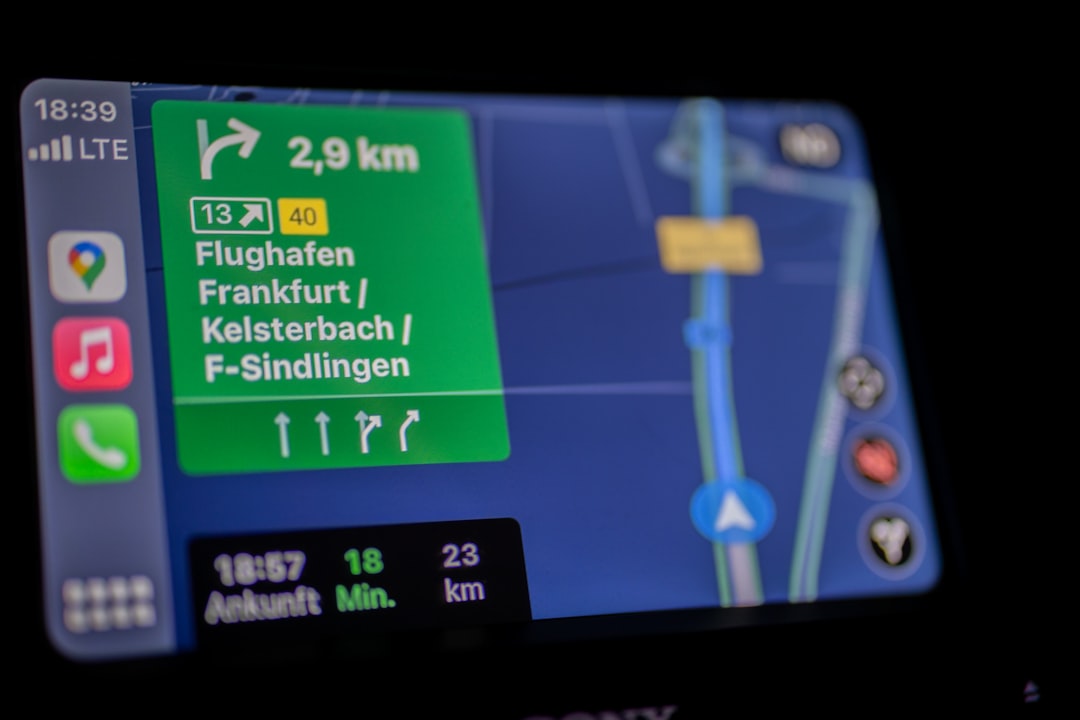
6. Roadtrippers
Best for: Road trips and scenic routes
For travelers hitting the highway, Roadtrippers transforms a simple drive into an adventure. The app helps you map routes and discover hidden gems along the way.
Top Features:
- Route planning tools
- Attractions and landmark suggestions
- Hotel and campground listings
- Collaborative trip editing
It emphasizes exploration over logistics, making it perfect for RV travelers and spontaneous explorers.

7. Expedia
Best for: Bundled travel deals
Expedia combines booking, itinerary management, and activity reservations in a powerful travel marketplace. Its bundling options often provide significant savings when booking flights and hotels together.
Advantages:
- Vacation package discounts
- In-app activity booking
- Loyalty rewards program
- 24/7 customer support
For travelers who want an end-to-end booking platform, Expedia offers convenience and competitive pricing in one place.
Comparison Chart
| App | Best For | Flight Booking | Hotel Booking | Activity Planning | Price Tracking |
|---|---|---|---|---|---|
| TripIt | Automatic itineraries | No (import only) | No (import only) | Limited | Yes (Pro) |
| Google Travel | Research and syncing | Yes | Yes | Yes | Yes |
| Hopper | Price prediction | Yes | Yes | Limited | Yes |
| Kayak | Comparison booking | Yes | Yes | Yes | Yes |
| TripCase | Business logistics | No (import only) | No (import only) | Limited | Yes |
| Roadtrippers | Road travel | No | Yes | Yes | No |
| Expedia | Vacation bundles | Yes | Yes | Yes | Limited |
How to Choose the Right App for You
The “best” travel app depends entirely on your travel style:
- If you value automation, choose TripIt.
- If you want price prediction, Hopper is ideal.
- If you prefer research and seamless syncing, try Google Travel.
- For bundled deals, Expedia stands out.
- For road trips and scenic journeys, Roadtrippers is unmatched.
Frequent business travelers may benefit most from tools focused on real-time alerts, while leisure travelers might prioritize discovery features and bundled discounts.

The Future of Travel Planning Apps
Travel planning apps are increasingly integrating artificial intelligence to provide customized recommendations. From suggesting the best time to book flights to generating tailored daily itineraries based on your interests, AI-powered features are turning these apps into digital travel concierges.
We can expect future updates to include:
- Smarter predictive booking tools
- Integrated travel insurance management
- Voice-controlled travel planning
- Augmented reality city guides
As the technology matures, travel organization will become even more seamless and personalized.
Final Thoughts
Gone are the days of fragmented travel planning. With the right app, you can manage flights, hotels, activities, and transportation in one intuitive interface. Whether you prioritize savings, convenience, exploration, or collaboration, there’s an app tailored to your travel goals.
Ultimately, the smartest approach may be combining one itinerary organizer with one booking-focused platform. With just a few taps, your next trip can be organized, optimized, and ready for takeoff.