Modern machine learning systems do not fail all at once—they degrade silently. Models that once performed with high accuracy can slowly drift as real-world data shifts, user behavior evolves, or upstream pipelines change. Without continuous oversight, this degradation can lead to inaccurate predictions, compliance risks, and financial losses. That is why organizations increasingly rely on specialized model monitoring and drift detection platforms equipped with real-time alerts.
TLDR: Machine learning models degrade over time due to data and concept drift, making proactive monitoring essential. Real-time alerting systems help organizations detect issues early and prevent performance drops. This article reviews four leading model monitoring platforms—Arize AI, WhyLabs, Fiddler AI, and Evidently AI—and compares their features, alert capabilities, integrations, and ideal use cases. A comparison chart and FAQ section are included to help teams choose the right solution.
Model monitoring platforms go beyond tracking basic metrics. They evaluate input data quality, feature drift, prediction distributions, concept drift, bias, latency, and system performance. Most importantly, the best tools provide real-time or near-real-time alerts that notify teams before minor shifts become critical problems.
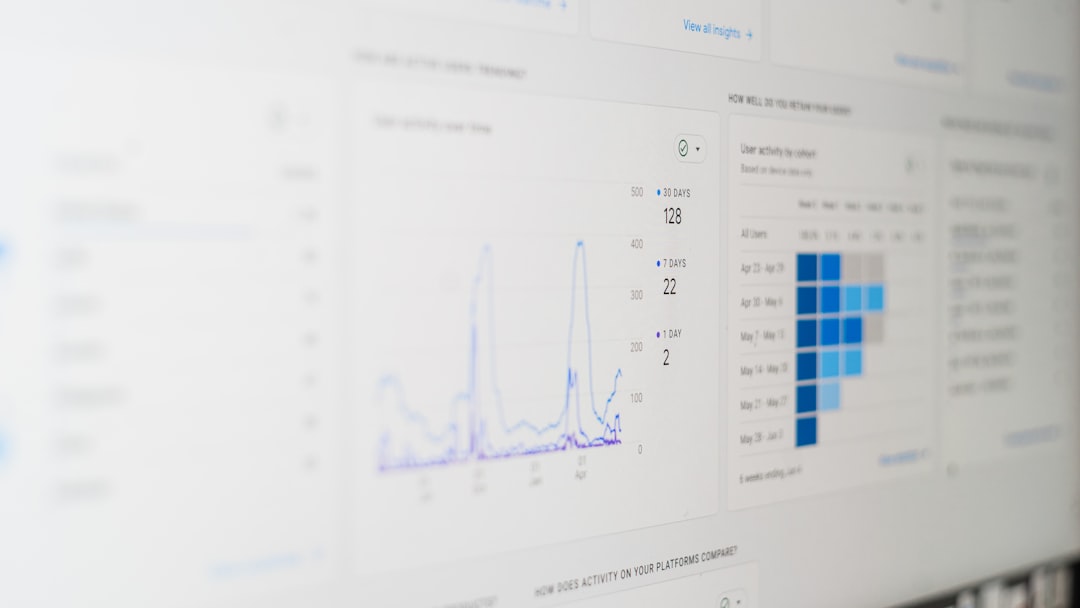
Why Model Monitoring and Drift Detection Matter
In production environments, models face dynamic conditions. Several types of drift can impact performance:
- Data drift: Changes in input data distributions.
- Concept drift: The relationship between inputs and outputs shifts.
- Prediction drift: Model output distributions change unexpectedly.
- Data quality issues: Missing, skewed, or corrupted inputs.
Without automated monitoring, detecting these shifts requires manual audits or reactive troubleshooting after performance has already declined. Real-time alerting ensures that teams are notified immediately when thresholds are crossed, reducing downtime and risk exposure.
1. Arize AI
Best for: Enterprise-scale ML monitoring with strong observability and explainability.
Arize AI is a comprehensive ML observability platform designed to monitor models in production environments. It provides robust tools for tracking drift, performance degradation, and prediction anomalies while offering explainability features to diagnose root causes.
Key Features:
- Real-time data and prediction drift detection
- Model performance tracking with labeled and unlabeled data
- Explainability tools powered by SHAP values
- Custom alert thresholds with Slack, PagerDuty, and webhook integrations
- Embedding monitoring for NLP and LLMs
One of Arize’s strengths is its ability to handle both structured and unstructured data, making it particularly valuable for organizations deploying computer vision models, NLP systems, or recommendation engines. Its alerting system supports granular configuration, ensuring teams only receive actionable notifications.
Enterprises appreciate Arize for its scalability and compliance capabilities, including audit trails and role-based access controls.
2. WhyLabs
Best for: Real-time data monitoring with privacy-focused architecture.
WhyLabs focuses heavily on data quality and drift detection. Built with a privacy-preserving design, it enables organizations to monitor production ML systems without exposing sensitive raw data.
Key Features:
- Continuous data profiling and drift detection
- Real-time alerts on anomalies and threshold violations
- Open-source integration with WhyLogs
- Automated data constraint validation
- Pipeline monitoring across ML lifecycle stages
WhyLabs excels at detecting subtle shifts in feature distributions. Its alerting system integrates with popular incident management tools, ensuring immediate response from engineering teams.
The platform also emphasizes collaboration, offering dashboards that bridge communication between data scientists and DevOps teams.

3. Fiddler AI
Best for: Monitoring bias, fairness, and regulatory compliance.
Fiddler AI combines model monitoring with interpretability and fairness analysis. It is particularly suited for industries such as healthcare, insurance, and finance, where compliance requirements demand transparency.
Key Features:
- Real-time drift and performance alerts
- Bias and fairness monitoring dashboards
- Explainable AI tools
- Root cause analysis workflows
- Integration with cloud ML platforms
Fiddler’s strength lies in connecting monitoring outputs with explainability insights. When drift occurs, teams can quickly identify which features are driving changes. Real-time notifications help organizations mitigate regulatory risks before they escalate.
This makes Fiddler a preferred choice for compliance-heavy enterprises.
4. Evidently AI
Best for: Open-source flexibility and customizable monitoring pipelines.
Evidently AI provides an open-source solution that enables teams to build custom monitoring systems. It generates detailed reports on data drift, model quality, and feature stability.
Key Features:
- Open-source drift detection libraries
- Customizable dashboards
- Automated testing for ML pipelines
- Integration with CI/CD workflows
- Flexible real-time alert setup via external tools
Unlike fully managed platforms, Evidently requires more configuration. However, for teams with strong MLOps expertise, it offers unmatched flexibility. Organizations can configure real-time alerting through integrations with Prometheus, Grafana, Slack, or other monitoring systems.
This makes Evidently ideal for startups and tech-forward teams that want control without high licensing costs.
Platform Comparison Chart
| Platform | Real-Time Alerts | Explainability | Bias Monitoring | Open Source Option | Best For |
|---|---|---|---|---|---|
| Arize AI | Yes (Slack, PagerDuty, Webhooks) | Advanced (SHAP-based) | Limited | No | Enterprise observability |
| WhyLabs | Yes (Anomaly detection alerts) | Moderate | Basic | Partial (WhyLogs) | Data monitoring focus |
| Fiddler AI | Yes (Compliance-driven alerts) | Advanced | Strong | No | Regulated industries |
| Evidently AI | Configurable via integrations | Moderate | Custom setup | Yes | Flexible, developer-centric teams |
Choosing the Right Platform
Selecting the right model monitoring solution depends on several organizational factors:
- Scale: Enterprise deployments may require managed solutions like Arize or Fiddler.
- Regulatory needs: Compliance-heavy sectors benefit from fairness monitoring tools.
- Technical expertise: Teams with strong MLOps skills may prefer open-source frameworks.
- Budget: Licensing costs vary significantly.
Real-time alerts are the most critical feature across all platforms. Alerts should be configurable, tunable, and integrated with existing communication systems. Too many false positives can overwhelm teams, while insufficient sensitivity may allow issues to slip through unnoticed.
Ultimately, proactive model monitoring transforms ML from an experimental asset into a reliable production system.
FAQ
1. What is model drift?
Model drift refers to the gradual degradation in a machine learning model’s performance due to changes in data distributions, user behavior, or environmental factors.
2. Why are real-time alerts important in model monitoring?
Real-time alerts notify teams immediately when anomalies or drift occur, allowing rapid intervention before business impact becomes severe.
3. How often should models be monitored?
Monitoring should be continuous in production environments. Real-time or near-real-time checks are recommended for mission-critical systems.
4. Can small companies benefit from model monitoring tools?
Yes. Even startups deploying simple models can suffer from drift. Open-source solutions like Evidently AI offer cost-effective monitoring options.
5. What is the difference between data drift and concept drift?
Data drift refers to changes in input feature distributions, while concept drift occurs when the underlying relationship between inputs and outputs changes.
6. Do these platforms support large language models (LLMs)?
Several platforms, particularly Arize AI, now offer embedding monitoring and drift detection for LLM-based systems.
7. Are these tools compatible with cloud providers?
Yes. Most leading platforms integrate with AWS, Azure, Google Cloud, and popular ML orchestration tools.
Continuous monitoring is no longer optional in production AI environments. By implementing one of these platforms with real-time alerting capabilities, organizations can protect performance, maintain compliance, and ensure long-term model reliability.