In today’s data-driven landscape, digital marketing is no longer about guesswork. Brands need clear, actionable insights to understand how their websites and campaigns are performing across multiple channels. While HubSpot is a well-known all-in-one solution for inbound marketing and analytics, it’s far from the only platform capable of delivering deep insights into audience behavior, lead generation, and campaign performance. Businesses of all sizes can benefit from exploring powerful alternatives that offer advanced tracking, automation, and reporting features.
TLDR: If you’re looking for digital marketing analytics tools like HubSpot, there are several powerful options available. Platforms such as Google Analytics 4, SEMrush, ActiveCampaign, and Zoho Marketing Automation provide robust tracking, reporting, and campaign optimization tools. Each offers unique strengths depending on your goals, budget, and technical needs. Choosing the right one depends on whether you prioritize SEO analytics, customer journeys, email automation, or all-in-one campaign management.
Below, we explore four digital marketing analytics tools that can help you effectively monitor website traffic, measure campaign success, and make smarter marketing decisions.
1. Google Analytics 4 (GA4)
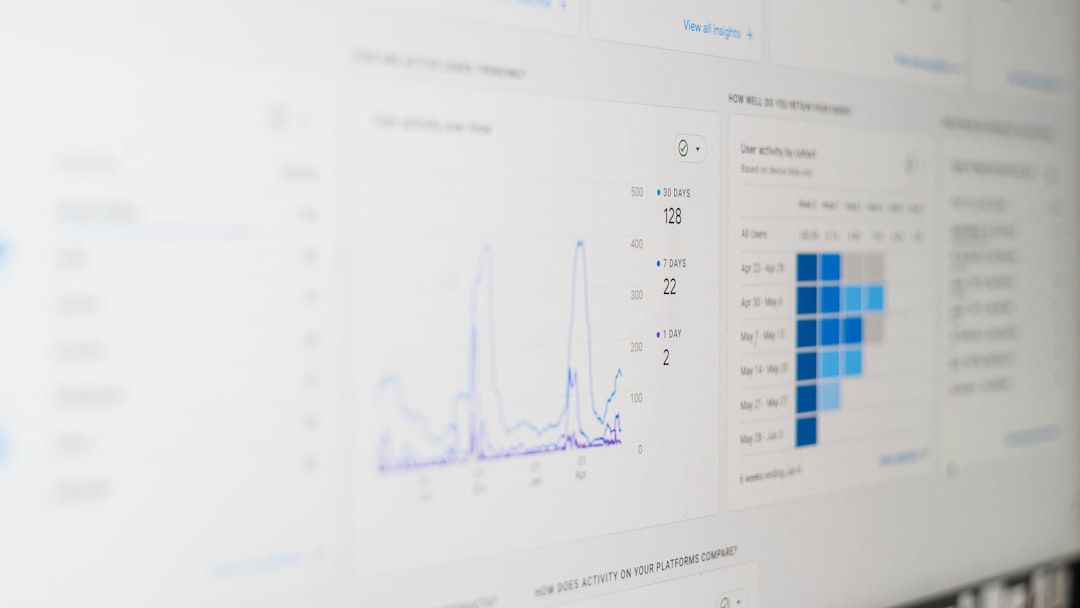
When it comes to tracking website performance, Google Analytics 4 is one of the most essential tools available. While it may not include built-in CRM features like HubSpot, it offers incredibly detailed insights into user behavior, traffic sources, and event tracking.
GA4 shifts from session-based tracking to event-based measurement, providing a more comprehensive understanding of how users interact with your website and app.
Key Features:
- Event-based tracking for clicks, scrolls, video views, and downloads
- Cross-platform measurement across web and mobile apps
- Advanced audience segmentation
- AI-powered insights and predictive metrics
- Integration with Google Ads and other Google tools
One of GA4’s strongest advantages is its ability to analyze the complete customer journey. Marketers can explore acquisition reports, engagement metrics, and retention trends to fine-tune campaigns.
However, GA4 does not include native email marketing automation or CRM functionality. For businesses needing a deeper inbound marketing solution, it may need to be paired with other platforms.
2. SEMrush
If your primary focus is SEO performance and competitive analysis, SEMrush is a powerful alternative. While HubSpot provides solid SEO tracking tools, SEMrush goes several layers deeper when it comes to search engine performance, keyword research, and competitor benchmarking.
SEMrush excels in helping businesses understand how they rank in search results and how competitors are gaining traffic.
Image not found in postmeta
Key Features:
- Keyword research with intent and difficulty analysis
- Domain and competitor comparison
- Backlink audits and link-building tracking
- Position tracking for local and global rankings
- Content marketing and site audit tools
Beyond SEO, SEMrush also includes PPC analysis and social media tracking capabilities. It provides detailed reports that allow marketing teams to optimize both organic and paid strategies.
While it may not replace HubSpot’s email automation or CRM capabilities, SEMrush is an excellent supplement or standalone tool for businesses that depend heavily on search visibility.
3. ActiveCampaign
For businesses prioritizing email marketing, marketing automation, and customer journey tracking, ActiveCampaign is a strong HubSpot alternative.
ActiveCampaign combines marketing automation with CRM features, offering powerful personalization capabilities that help marketers nurture leads more effectively.
Key Features:
- Advanced email automation workflows
- Built-in CRM system
- Behavior-based tracking
- Automated lead scoring
- Split testing for emails and campaigns
One standout feature is its visual automation builder, which allows marketers to map entire customer journeys from the first website visit to post-purchase follow-ups.
ActiveCampaign also provides engagement reports, goal tracking, and attribution tools that show which emails and touchpoints drive conversions. For small and mid-sized businesses, it can be a cost-effective all-in-one solution that blends automation with analytics.
4. Zoho Marketing Automation
Zoho Marketing Automation integrates seamlessly with Zoho CRM and other Zoho ecosystem tools, making it an ideal solution for growing companies seeking centralized campaign management and analytics.
It offers multi-channel tracking and automation while maintaining an accessible interface.
Image not found in postmeta
Key Features:
- Lead tracking and segmentation
- Email and SMS campaign performance analytics
- Web behavior tracking
- Social media campaign monitoring
- Integration with CRM and sales pipelines
Zoho provides detailed performance reports that measure engagement, conversion rates, and ROI. It’s particularly useful for teams looking to align marketing and sales data under one ecosystem.
While it may not have the same interface sophistication as HubSpot, it compensates with affordability and solid cross-channel tracking features.
Comparison Chart
| Tool | Best For | CRM Included | Marketing Automation | SEO Analytics | Website Tracking |
|---|---|---|---|---|---|
| Google Analytics 4 | Website behavior analysis | No | No | Basic | Advanced |
| SEMrush | SEO and competitor research | No | Limited | Advanced | Moderate |
| ActiveCampaign | Email automation and CRM | Yes | Advanced | Basic | Advanced |
| Zoho Marketing Automation | Multi-channel campaign tracking | Yes | Advanced | Moderate | Advanced |
How to Choose the Right Tool
Selecting the right analytics tool depends on your marketing priorities. Consider the following:
- If you want deep website insights: Google Analytics 4 is indispensable.
- If SEO drives your growth: SEMrush offers competitive intelligence you won’t get elsewhere.
- If automation and CRM are essential: ActiveCampaign provides powerful personalization.
- If you want integrated marketing and sales tracking: Zoho offers strong ecosystem benefits.
You should also evaluate:
- Your team’s technical skill level
- Your budget constraints
- Required integrations
- Scalability as your business grows
Keep in mind that many businesses use more than one tool simultaneously. For example, combining GA4 for behavioral tracking with ActiveCampaign for automation can create a highly optimized marketing stack.
Final Thoughts
Digital marketing without analytics is like driving without a dashboard. You may move forward, but you won’t know how fast you’re going, how much fuel remains, or whether you’re heading in the right direction.
HubSpot remains a powerful all-in-one solution, but alternatives like Google Analytics 4, SEMrush, ActiveCampaign, and Zoho Marketing Automation each offer specialized capabilities that can rival or even surpass HubSpot in certain areas.
By understanding your goals—whether they involve traffic growth, SEO dominance, customer journey automation, or full-funnel conversion tracking—you can choose the tool that aligns best with your strategy. The right analytics platform doesn’t just measure performance; it fuels smarter decisions, sharper campaigns, and sustainable growth.
In a digital world overflowing with data, the real competitive advantage lies in choosing the tools that help you interpret that data effectively—and act on it.